

What Is an Enabler? Understanding Enabling Behavior in Addiction

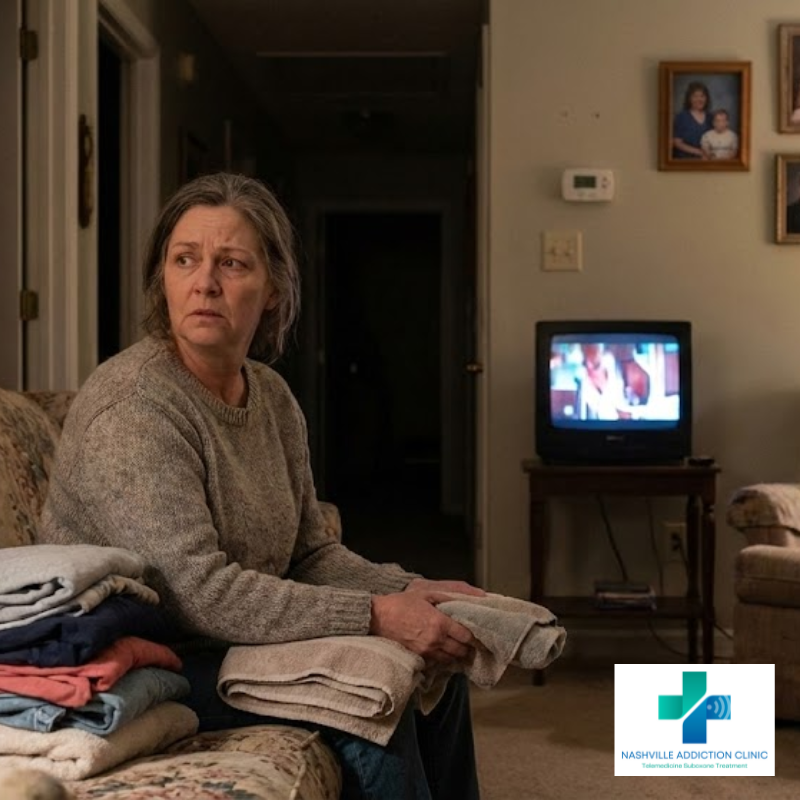
If you’ve ever searched what is an enabler, you may already sense that something isn’t right—but you’re not sure how to name it. In the context of addiction, enabling happens when well-intentioned actions accidentally protect substance use instead of helping someone recover. At Nashville Addiction Clinic, we regularly work with families across Tennessee who are trying to help a loved one without making things worse.
Understanding enabling behavior can be the first step toward real change—for both the person struggling with addiction and the people who care about them.
Accredited, Virtual Addiction Treatment for Tennessee
Nashville Addiction Clinic provides evidence-based Suboxone treatment through secure telemedicine, staffed by licensed Tennessee clinicians. No clinic visits required, ever.
- Statewide access across Tennessee
- Accredited by The Joint Commission
- Owned and managed by people in long-term recovery
Register for treatment online using your TennCare Medicaid, commercial insurance, or choose a payment plan. (A sliding-scale program is also available) Click here if you’re a returning patient.
What Is an Enabler in Addiction?
An enabler is someone who unintentionally supports or sustains another person’s addiction by shielding them from consequences, minimizing the problem, or making substance use easier to continue.
Enabling is not about bad intentions. In fact, it usually comes from:
- Love
- Fear
- Guilt
- Trauma
- A desire to keep peace in the household
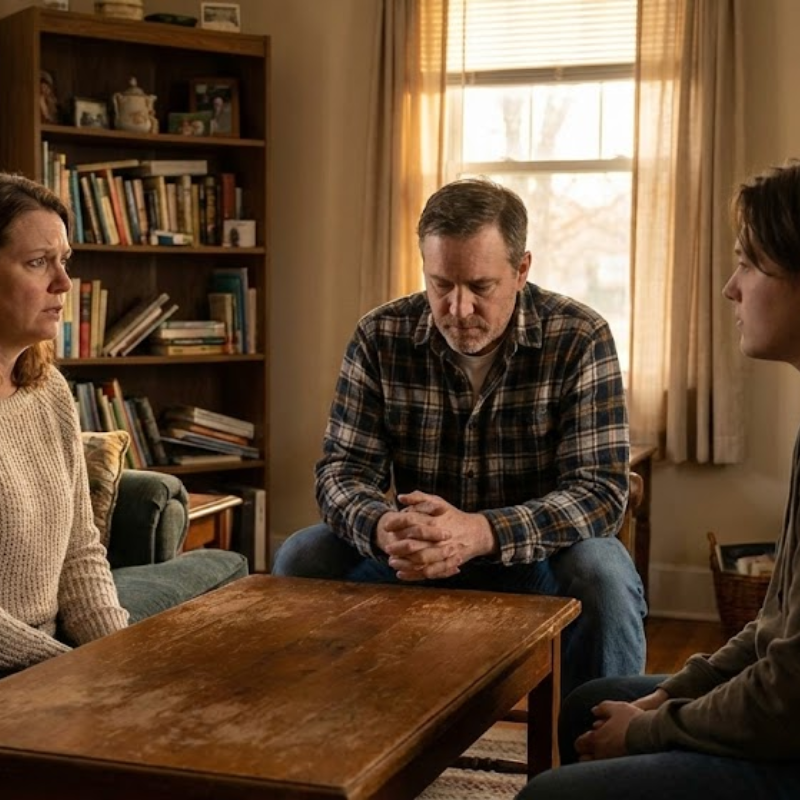
Parents, partners, spouses, siblings, and even close friends can fall into enabling roles without realizing it.
Common Examples of Enabling Behavior
Enabling can look different in every family, but common examples include:
- Giving money that may be used for drugs
- Making excuses for missed work or legal trouble
- Paying bills so the person doesn’t face consequences
- Letting substance use continue at home
- Minimizing or denying the severity of addiction
- Rescuing someone repeatedly from crises
In cities like Hendersonville, Kingsport, Collierville, Smyrna, Spring Hill, and Gallatin, families often enable because they fear withdrawal, homelessness, or overdose if they stop helping.
Why Enabling Happens So Often
To understand what is an enabler, it helps to understand why enabling happens.
Fear of Withdrawal
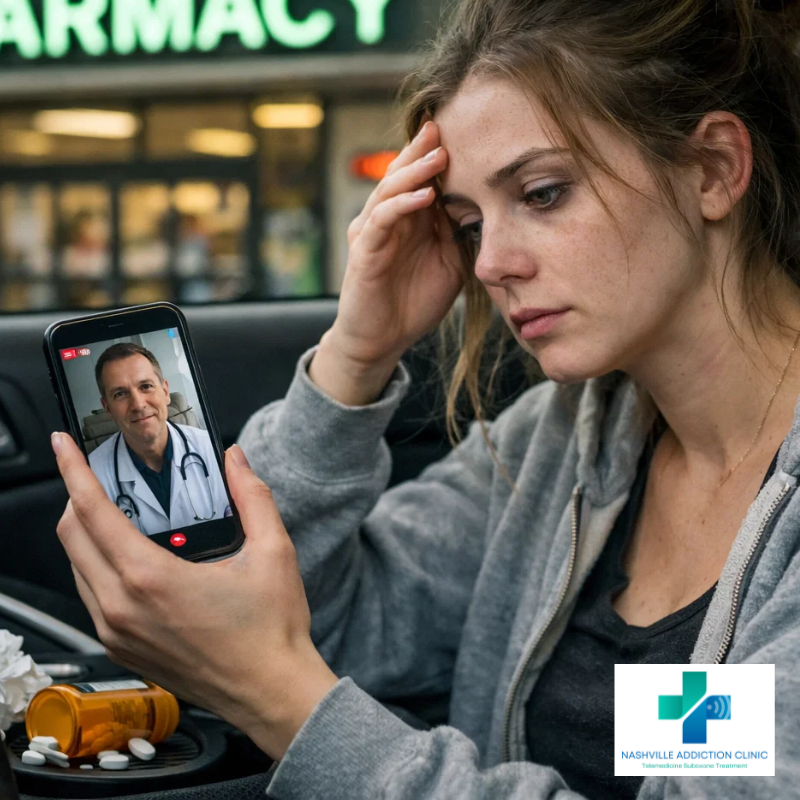
Many families enable because they’re terrified of opioid withdrawal. Symptoms like vomiting, anxiety, insomnia, body aches, and cravings can be severe. Without understanding that medications like Suboxone exist, families may feel trapped.
Shame and Stigma
Addiction still carries stigma. Families may hide the problem to protect reputations, jobs, or children—especially in small Tennessee communities.
Trauma Bonds
Long-term addiction can create emotional dependence. Over time, the enabler’s identity becomes tied to “keeping things together.”
Misinformation
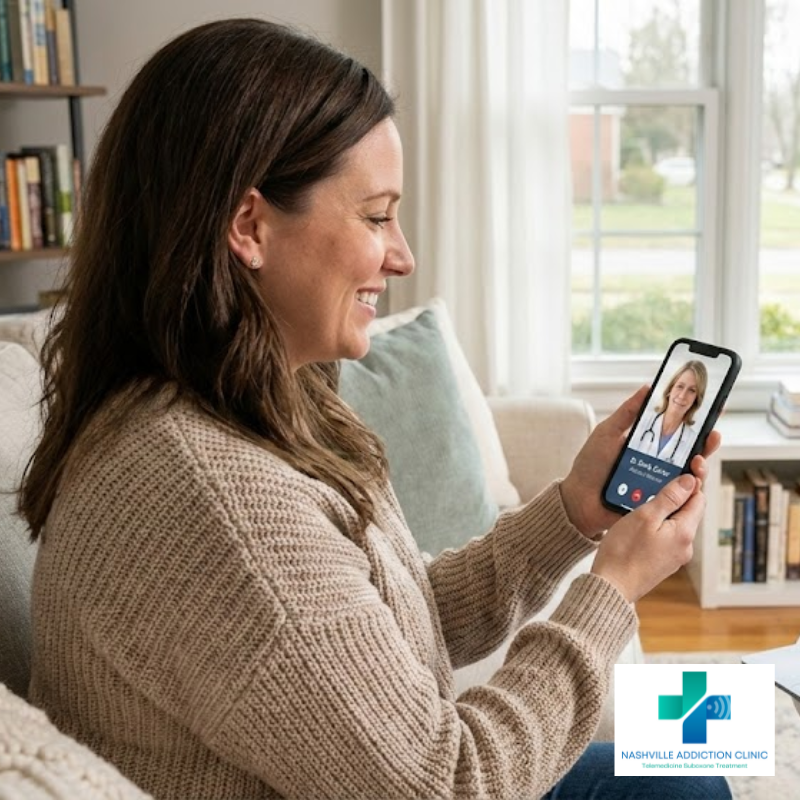
Many people don’t realize that telemedicine addiction treatment is available statewide, allowing people to start recovery without traveling to a clinic.
How Enabling Affects the Person With Addiction
While enabling may feel helpful in the moment, it often:
- Delays treatment
- Increases overdose risk
- Reinforces denial
- Prevents accountability
- Prolongs emotional suffering
When consequences are removed, there’s less urgency to seek help. This is why understanding what is an enabler is so important—it reveals how patterns can unintentionally keep addiction alive.
The Difference Between Helping and Enabling
Helping supports recovery. Enabling supports addiction.
Helping Looks Like:
- Encouraging professional treatment
- Setting clear, compassionate boundaries
- Learning about medication-assisted treatment
- Supporting recovery-focused decisions
- Offering emotional support without rescuing
Enabling Looks Like:
- Paying for substances indirectly
- Covering up consequences
- Avoiding hard conversations
- Allowing addiction to control the household
At Nashville Addiction Clinic, we help families shift from enabling to empowering—without cutting off love or support.
How Treatment Changes the Enabling Dynamic
One reason enabling continues is because families don’t see a realistic alternative. Treatment changes that.
Suboxone and Telemedicine Make Recovery Possible
Suboxone:
- Reduces cravings
- Prevents severe withdrawal
- Stabilizes brain chemistry
- Allows people to function, work, and care for family
With 100% virtual care, patients across Tennessee—including Chattanooga and rural areas—can:
- Start treatment quickly
- Avoid daily clinic visits
- Receive prescriptions same-day
- Maintain privacy and dignity
When treatment is accessible, families no longer feel forced to enable just to prevent crisis.
How Nashville Addiction Clinic Supports Families
Nashville Addiction Clinic helps people from all areas in Tennessee. Over 1,000 Tennesseans have trusted their recovery with us because of our consistent adherence to compassionate, evidence-based care. Here are some other reasons people trust Nashville Addiction Clinic with telemedicine Suboxone treatment:
- Accredited by The Joint Commission
- Clinic owners are in long-term recovery
- Over 260 Google Reviews (from real patients)
- Recipient of Tennessee’s first Virtual OBOT medical license
- Same-day Suboxone prescriptions
- Statewide award winner of the 2025 Best of Tennessee award for substance abuse treatment
- Over 1000 patients served since 2019
- Accepts most commercial/employee health plans, such as Blue Cross Blue Shield (all U.S. states), Cigna, Ambetter, and United Healthcare, as well as all TennCare Medicaid plans: Amerigroup Community Care, BlueCare, United Healthcare Community Plan, and Wellpoint Community Care.
- Overnight Suboxone delivery is available in most areas (a delivery fee applies)
- A compassionate team of caring doctors, nurse practitioners, counselors, and administrators who provide judgement-free care, some who are in recovery.
- Same-day appointments available every Monday through Friday from 8:00 AM to 5:00 PM (based on availability)
- Evening appointments every Monday and Wednesday until 9:00 PM
Our helpful staff is happy to answer any questions you may have. Call us or send us a text at (615) 927-7802, or message us securely using the Spruce Health mobile app.
Feeling nervous about starting telemedicine addiction treatment? Learn what to expect during your first Suboxone telemedicine appointment.
Patients can register using insurance or pay out-of-pocket:
- Register for Suboxone Telehealth using your TennCare Medicaid
- Register for virtual Suboxone addiction treatment with your commercial insurance
- No Insurance? Register for Suboxone Telemedicine therapy and make payments
- Register as a returning patient
- Apply for our Sliding-Scale Program
- View all Medicaid and commercial insurance plans we accept and self-pay pricing
- We accept most private/employee health insurance, such as BCBS, Cigna, Ambetter, and United Healthcare, as well as all TennCare Medicaid insurance: Amerigroup Community Care, BlueCare, United Healthcare Community Plan, and Wellpoint Community Care.
Not sure if your insurance is accepted? Click here to verify your coverage.
Experience a safe transition from hydrocodone, oxycodone, OxyContin, heroin, fentanyl, methadone, morphine, Kratom, 7-OH (7-Hydroxy-opioids), Tramadol, Opana, codeine, oxymorphone, Tramadol, Percocet, and other opioids.
If you would like to speak to someone about our telemedicine Suboxone program, please call or text us at (615) 927-7802. You can also message us securely on the Spruce Health mobile app.
You can also learn more about costs on our insurance and pricing page or meet our compassionate providers on our Meet Our Team page.
FAQs About Enabling and Addiction
Is enabling the same as loving someone too much?
No. Enabling is a behavior pattern, not a measure of love. Many enablers care deeply but lack support or information.
Can setting boundaries make things worse?
Boundaries can feel uncomfortable at first, but they often create the conditions needed for treatment and recovery.
What if I’m afraid they’ll overdose if I stop helping?
This fear is common. Medication-assisted treatment like Suboxone significantly reduces overdose risk when properly prescribed and monitored.
Can families be involved in recovery?
Yes. Healthy family involvement can be a powerful part of long-term recovery when guided by professionals.
Is treatment really possible without going to a clinic?
Yes. Telemedicine addiction treatment is legal, safe, and effective in Tennessee under federal and state guidelines.
Fast-Online Registration for Same-Day Suboxone Prescriptions
- TennCare Medicaid virtual addiction treatment coverage
- Commercial insurance Suboxone telemedicine program
- Self-pay telemedicine Suboxone program (make payments)
- Sliding-scale virtual Suboxone program application
You can review insurance and pricing details before scheduling, so there are no surprises.
If you have TennCare Medicaid insurance, your treatment and medication costs are typically $0. If you have commercial health insurance, we will provide you with a treatment cost estimate before scheduling your first telemedicine appointment. If you don’t have health insurance, we offer biweekly and monthly payment plans.
Related Articles
- Kratom Addiction Help in Tennessee: Virtual Suboxone Care That Works
- Same-Day Online Suboxone Treatment
- Telehealth Addiction Treatment in Tennessee: A Private, Effective Path to Recovery
External Resources
- Kratom/7-OH/7-hydroxymitragynine addiction is another opioid addiction-related issue facing Tennessean’s, thanks to it being readily available and unregulated. Learn more about Kratom addiction and virtual treatment options in Tennessee.
- DEA.gov – Opioid Addiction Resources
- Substance Abuse and Mental Health Services Administration (SAMHSA)
- Centers for Disease Control and Prevention | CDC.gov
- National Institute on Drug Abuse
- National Center on Substance Abuse and Child Welfare