

What is Suboxone for?

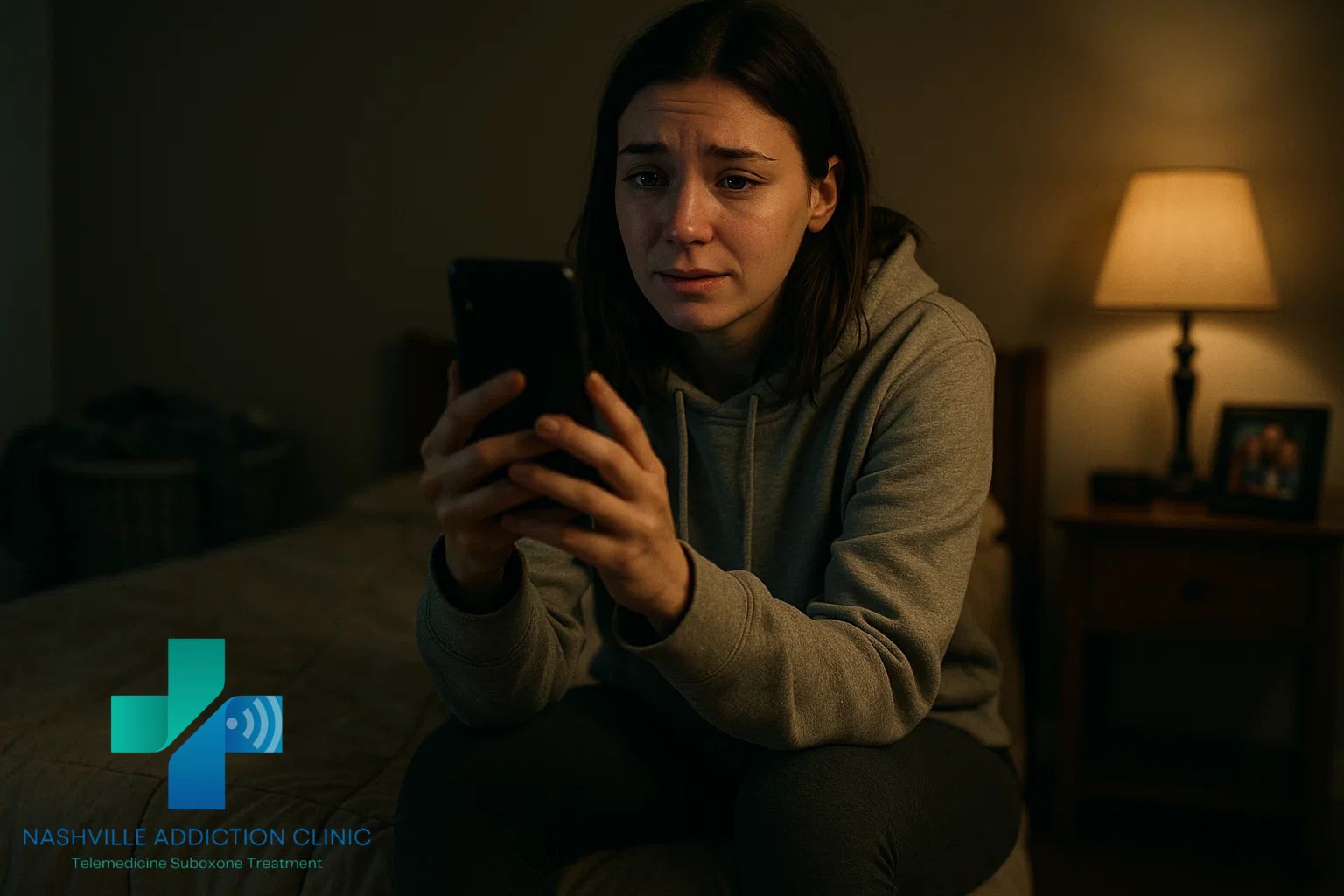
If you’ve found yourself asking “what is Suboxone for?” — you’re not alone. Maybe you’re in Nashville, Memphis, Knoxville, Chattanooga or Clarksville, and you’re dealing with opioid use, tired of chasing pills, or hiding your use from friends, family or co-workers. At Nashville Addiction Clinic we understand because we’ve treated over 1,000 people in Tennessee in the last six years, and we’re here for you — even if you don’t have reliable transportation, have TennCare or commercial insurance, or you’re ready to use your phone for treatment.
Below we’ll explain clearly what Suboxone is for, how it works, the benefits of virtual treatment, and how our TeleMAT model makes sense for someone in your shoes.
What is Suboxone?
When you search “what is Suboxone for”, you’re asking: what purpose does it serve, and how can it help someone like you who’s struggling with opioid dependence?
Suboxone is the brand name for a medication that contains buprenorphine (a partial opioid agonist) and naloxone (an opioid antagonist). According to the U.S. Food and Drug Administration (FDA), Suboxone is indicated for the maintenance treatment of opioid dependence, and must be used as part of a complete treatment plan which includes counseling and psychosocial support.
Health authorities like the Substance Abuse and Mental Health Services Administration (SAMHSA) and the Centers for Disease Control and Prevention (CDC) identify buprenorphine-based treatments like Suboxone as an evidence-based medication for opioid use disorder (OUD).
In short: Suboxone is used for opioid addiction, to reduce withdrawal symptoms, control cravings, and help you get back on your feet so you can rebuild your life.
Why someone in Tennessee – men and women age 18 to 65 – might consider Suboxone
If you are between 18 and 45 (but our clinic treats up to 65) and you’re facing challenges like:
- Addiction to hydrocodone, morphine, codeine, methadone, oxymorphone, heroin, fentanyl, oxycodone, OxyContin, Percocet, Kratom or 7-OH (7-Hydroxy) …
- Buying Suboxone or pills off the street, chasing the next dose, hiding use at work or from your children, partner or spouse …
- Experiencing withdrawal symptoms, afraid of overdose, tired of the cycle …
- Low to mid income, possibly divorced, maybe felon status, possibly TennCare or commercial insurance, limited transportation, living in Tennessee towns like Nashville, Memphis, Jackson, Johnson City, or Murfreesboro …
Then understanding “what is Suboxone for” matters — because it can be your turning point.
The seriousness of opioid addiction
Opioids are powerful and the risk is real: chronic opioid use leads to dependence, and withdrawal syndrome can be life-threatening. The CDC states that medication treatment of OUD “has been associated with reduced risk for overdose and overall mortality.” When you’re stuck in the cycle of using heroin or pills just to feel normal or avoid withdrawal, you’re also risking your job, your relationship with your children, legal troubles, and your life.
What is Suboxone for – benefits and how it works
Here’s how Suboxone helps and why it’s part of a full treatment plan:
Benefits you can expect:
- It suppresses opioid withdrawal symptoms and cravings — giving you breathing room to engage in life again. (As a partial agonist, buprenorphine replaces the full opioid and naloxone makes misuse less likely.)
- It stabilizes your brain’s opioid receptors so you’re not constantly chasing pills.
- It reduces the risk of relapse and overdose when combined with counseling and support.
- Because we are Tennessee’s first fully virtual licensed TeleMAT clinic, you never need to come into our physical clinic if you prefer treatment from home — convenient for folks with transportation issues, full-time jobs, kids, or other constraints.
How it works (in simple terms):
- You begin an induction phase under supervision (which we can do virtually).
- Once you’re stabilized, you move to a maintenance dose. Suboxone must be combined with counseling and support.
- With our clinic, we send your prescription same day to your local pharmacy or overnight delivery if that works better.
- You engage with our master-level counselors and a team of clinicians who get what you’re going through — many of whom are in active recovery themselves and built this clinic out of personal experience of being treated poorly elsewhere.
FAQs about safety, transitioning and virtual treatment
FAQ: Can I switch from heroin or oxycodone straight to Suboxone?
Yes — that’s one of the “what is Suboxone for” questions we get all the time. We will manage your transition (also known as induction) so you avoid major withdrawal. The process is different if you’ve been using long-acting opioids like methadone. According to SAMHSA’s “Quick Start Guide for buprenorphine”, for long-acting opioids you may need to wait 48-72 hours before initiating buprenorphine.
FAQ: Is Suboxone only for use in clinics?
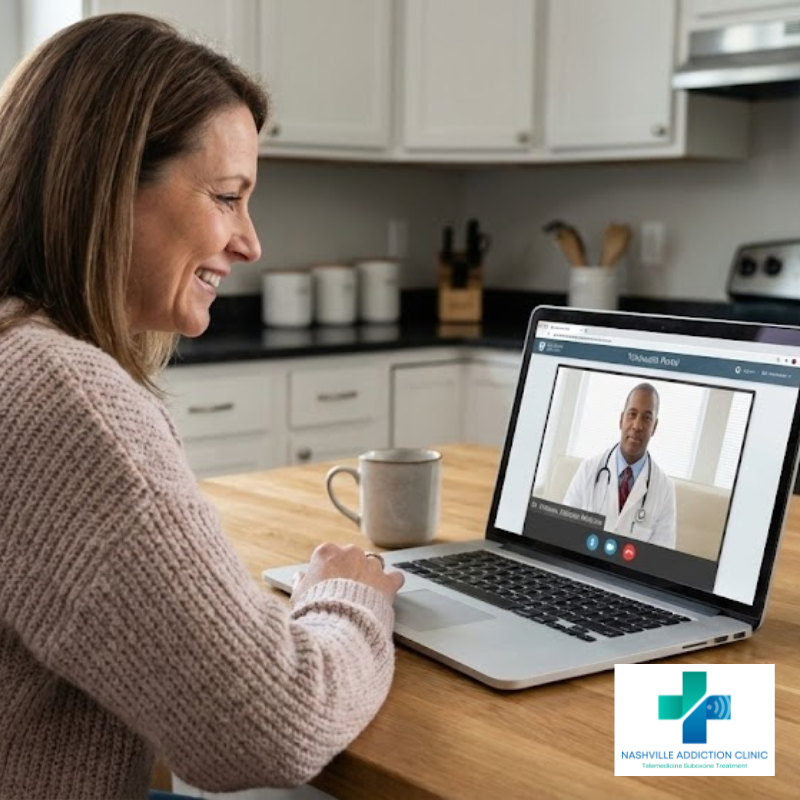
Not anymore. Thanks to telemedicine and the recent regulatory changes from SAMHSA, many providers including our clinic can treat patients via secure video or phone — meaning you don’t need to travel, miss work, worry about transport.
FAQ: Does Suboxone treat pain instead of addiction?
No — when you ask “what is Suboxone for?” in the sense of pain relief, note: Suboxone is not FDA-approved for chronic pain relief, though buprenorphine alone may be used off-label for pain. The primary, approved purpose is for opioid dependence.
Why choose Nashville Addiction Clinic’s virtual TeleMAT for Suboxone treatment?
At Nashville Addiction Clinic we’re different in key ways that matter for you — especially if you’re from a smaller Tennessee town, have limited transport, juggling kids or a job, or dealing with shame and a past you’re ready to leave behind.
- We’ve been in operation for over six years, treating over 1,000 people in Tennessee — real results with real people.
- We’re the first clinic in Tennessee to receive a virtual medical license for treating addiction using telemedicine (TeleMAT).
- You’ll never need to come into a clinic. All your visits, inductions, maintenance, counseling can be done from your mobile device.
- We have over 250 five-star patient reviews on Google, showing that people feel seen, respected, and helped
- We’re accredited by The Joint Commission — meaning our processes, safety, care standards meet national benchmarks.
- Our counselors hold master’s degrees; our clinical team includes people in active recovery and the owners themselves built the clinic because they experienced poor treatment elsewhere. That means you get kind, respectful, non-judgmental care.
- We handle insurance (TennCare, commercial) and offer self-pay and sliding-scale options:
- We prescribe Suboxone same day as your first appointment, and it’s sent to your local pharmacy or delivered overnight if that’s easier for you.
- We emphasize the keys to life-long recovery: medication (Suboxone), counseling, and an empathetic team who understands your experience.
How the process works – Step by step
Here’s a breakdown of how you can get started with our virtual TeleMAT Suboxone clinic:
- Initial contact: Call or text us at (615) 927-7802, or message securely on the Spruce Health mobile app.
- Virtual appointment: You meet via video with one of our clinicians. We review your history (opioid use, any prior treatments, current meds).
- Induction: We guide you through the start — you’ll be transitioning from heroin, oxycodone, fentanyl, hydrocodone, and we’ll ensure you’re in a safe place, reduce risk of severe withdrawal.
- Prescription: Your Suboxone prescription is sent same day to your local pharmacy in Nashville, Murfreesboro, Columbia, or shipped overnight.
- Counseling & support: You begin sessions with a master’s-level counselor (virtual). We help with coping, trauma, cravings, mental health issues.
- Maintenance & follow-up: You stay connected. Our team monitors your progress, adjusts dose as appropriate (per FDA and ASAM guidelines) and helps you build forward—job, family, future.
- Life beyond pills: The goal is not just stopping opioid use, but also restoring your job, your kids, your self-respect — distance from the cycle of chasing drugs.
Frequently Asked Questions (FAQ) about “what is Suboxone for”
What is Suboxone for in terms of reducing withdrawal and cravings?
Suboxone is for helping you avoid severe withdrawal and cravings so you don’t relapse — it’s not just mood-elevating, it stabilizes. The partial agonist buprenorphine replaces the full opioid effect and the naloxone discourages misuse.
What is Suboxone for if I used heroin, fentanyl, or OxyContin?
It’s for safely transitioning you away from heroin, fentanyl, oxycodone/OxyContin, Percocet, hydrocodone, methadone or any opioid use — by providing a maintenance dose that keeps you stable while you rebuild. Just know that long-acting opioids (like methadone) may require extra planning for induction.
What is Suboxone for in a virtual clinic setting?
It’s for enabling you to access medication-assisted treatment (MAT) online. With our virtual Suboxone clinic here in Tennessee, you can get care from home — which is ideal if you live in a rural area, lack transportation or have children. This is true addiction telemedicine Tennessee.
What is Suboxone for in terms of life-long recovery?
While Suboxone addresses the chemical side (dependency, withdrawal, cravings), what it’s really for is giving you the time and stability to work on the emotional, psychological, social parts—job, family, healing trauma, mental health, re-building after shame. At our clinic we pair Suboxone with counseling and a team of clinicians who understand addiction first-hand.
Is Suboxone enough on its own?
No. While Suboxone is essential, by itself it’s not enough. Real, sustainable recovery comes when you combine the medication with counseling, peer and professional support, dealing with underlying issues (abuse, trauma, mental health). Authorities like ASAM say the best outcomes come from combined care.
Your next step toward getting help
If you’re ready to answer the question “what is Suboxone for me?”, here’s what you can do:
- Call/text (615) 927-7802 or send a secure message via the Spruce Health mobile app to schedule your initial virtual appointment.
- Choose your pathway:
- Check out Insurance & Pricing to see options and Sliding-Scale Program if you need financial help.
- Explore Meet Our Team so you can see that this isn’t just a clinic—it’s people who’ve been where you are, and care about getting you where you want to go.
You’re not alone. You’ve already taken a big step by researching and asking “what is Suboxone for.” The next step is to reach out. We get it. We’re ready when you are.
Related Articles
- Virtual Addiction Treatment in Tennessee: A Lifeline for Those Ready to Stop Chasing Pills
- Online Doctors for Suboxone Treatment: A Safer Path to Recovery in Tennessee
- Suboxone Clinic No Insurance: Affordable Online Treatment in Tennessee
External Resources
- Substance Abuse and Mental Health Services Administration (SAMHSA)
- National Center on Substance Abuse and Child Welfare
- Centers for Disease Control and Prevention | CDC.gov
- Locate a Peer Recovery Support Specialist
- DEA.gov – Opioid Addiction-Related Articles
- National Institute on Drug Abuse
If you’d like, I can help draft a shorter version of this article for social media or an FAQ handout you can use to share with friends or family who are also wondering “what is Suboxone for”.