

Blog
Clonidine for Opioid Withdrawal: What It Helps With and What It Doesn’t
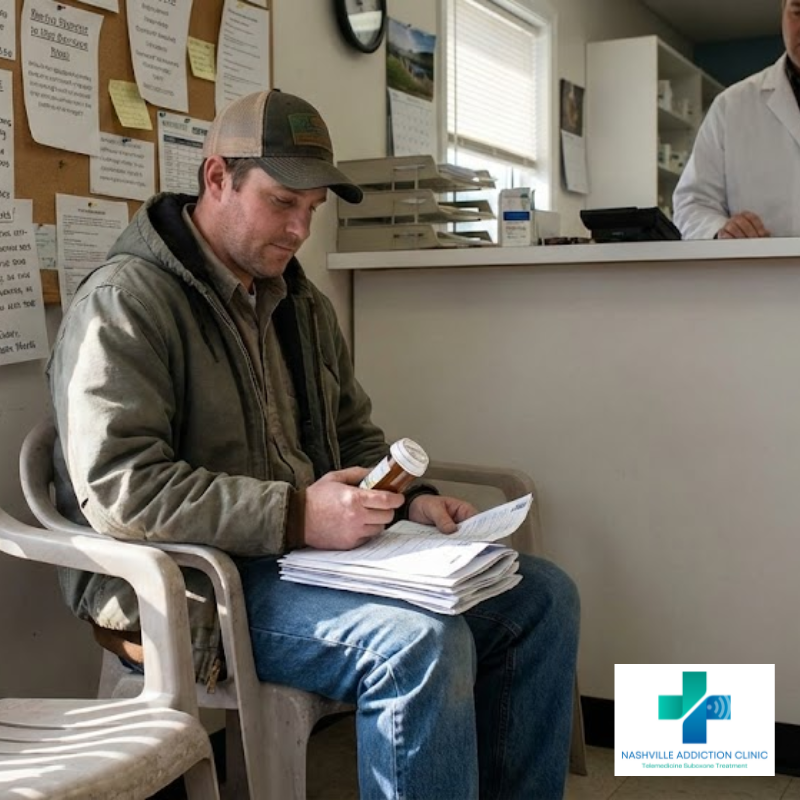
If you’re searching for clonidine for opioid withdrawal, you’re likely trying to find relief from symptoms like anxiety, sweating, restlessness, or insomnia. Opioid withdrawal can feel overwhelming, and many people across Tennessee look for medications that can make the process more manageable. At Nashville Addiction Clinic, we often speak with patients who have heard about clonidine and want to know whether it’s enough—or whether there’s a safer, more effective option.
This article explains how clonidine works for opioid withdrawal, its limitations, and how it compares to evidence-based treatment options like Suboxone.
Addiction Treatment for Tennessee by Tennesseans in Recovery
Nashville Addiction Clinic provides evidence-based Suboxone treatment through secure telemedicine, staffed by licensed Tennessee clinicians. No clinic visits required, ever.
- Statewide access across Tennessee
- Accredited by The Joint Commission
- Owned and managed by people in long-term recovery
Register for treatment online using your TennCare Medicaid, commercial insurance, or choose a payment plan. (A sliding-scale program is also available) Click here if you’re a returning patient.
What Is Clonidine?
Clonidine is a non-opioid medication originally approved to treat high blood pressure. It works by calming certain signals in the brain and nervous system, which is why it’s sometimes prescribed off-label to help reduce specific opioid withdrawal symptoms.
Clonidine is not an opioid, does not produce euphoria, and is not addictive when used as prescribed. Because of this, it’s sometimes used in short-term detox settings.
How Clonidine Helps With Opioid Withdrawal
Clonidine can reduce some of the autonomic symptoms of withdrawal—the physical stress response your body experiences when opioids are stopped.
Symptoms Clonidine May Help Reduce
Clonidine may help with:
- Sweating and chills
- Anxiety and agitation
- Rapid heart rate
- High blood pressure during withdrawal
- Restlessness
- Trouble sleeping
For people withdrawing from opioids like hydrocodone, oxycodone, Percocet, heroin, fentanyl, or even kratom, clonidine can take the “edge” off certain symptoms.
What Clonidine Does NOT Treat
This is where many people misunderstand clonidine for opioid withdrawal.
Clonidine does not:
- Reduce opioid cravings
- Prevent relapse
- Treat the underlying addiction
- Stabilize brain chemistry
- Protect against overdose after detox
Most importantly, clonidine does not address the powerful cravings that drive many people back to opioid use—especially in the first days and weeks after stopping.
Why Withdrawal Without Craving Control Is Risky
Opioid withdrawal is not usually life-threatening, but relapse after detox can be deadly.
After even a short period without opio:
- Tolerance drops quickly
- Cravings remain intense
- Returning to previous doses increases overdose risk
This is why detox-only approaches—using clonidine alone—often lead to relapse. According to public health guidance from SAMHSA and the FDA, withdrawal management without ongoing treatment is not considered adequate care for opioid use disorder.
Clonidine vs. Suboxone for Opioid Withdrawal
How Suboxone Is Different
Suboxone (buprenorphine/naloxone):
- Reduces withdrawal symptoms
- Suppresses cravings
- Stabilizes brain receptors
- Lowers overdose risk
- Supports long-term recovery
Unlike clonidine, Suboxone directly treats opioid use disorder—not just the discomfort of stopping opioids.
Can Clonidine and Suboxone Be Used Together?
In some cases, clonidine may be used alongside Suboxone to help with residual symptoms like anxiety or sleep problems. However, clonidine alone is rarely sufficient for sustainable recovery.
At Nashville Addiction Clinic, treatment plans are individualized and medically supervised to ensure safety and effectiveness.
Why Many Tennessee Patients Are Offered Clonidine First
Some patients in cities like Cleveland, Brentwood, Columbia, Cookeville, and LaVergne are offered clonidine because:
- Providers lack addiction training
- Suboxone access is limited locally
- Patients fear stigma or daily clinic visits
- Telemedicine options are not explained
Fortunately, Tennessee law allows 100% virtual Suboxone treatment, making evidence-based care accessible statewide.
Telemedicine Makes Evidence-Based Treatment Accessible
With telemedicine (TeleMAT), patients can:
- Meet with a licensed provider from home
- Avoid travel or long clinic lines
- Start Suboxone safely and legally
- Receive same-day prescriptions
- Maintain privacy and dignity
Nashville Addiction Clinic was the first virtual OBOT clinic licensed in Tennessee, and we continue to serve patients statewide through secure video appointments.
How Nashville Addiction Clinic Approaches Withdrawal Safely
We understand how intimidating withdrawal can be. Our approach focuses on comfort, safety, and long-term success, not just “getting through” detox.
Why Choose Nashville Addiction Clinic for Online Addiction Treatment?
- We’re accredited by The Joint Commission
- Clinic owners are in long-term recovery
- Over 260 Google Reviews (from real patients)
- Recipient of Tennessee’s first Virtual OBOT medical license
- Same-day Suboxone prescriptions
- Statewide award winner of the 2025 Best of Tennessee award for substance abuse treatment
- Over 1000 patients served since 2019
- Accepts most commercial/employee health plans, such as Blue Cross Blue Shield (all U.S. states), Cigna, Ambetter, and United Healthcare, as well as all TennCare Medicaid plans: Amerigroup Community Care, BlueCare, United Healthcare Community Plan, and Wellpoint Community Care.
- Overnight Suboxone delivery is available in most areas (a delivery fee applies)
- A compassionate team of caring doctors, nurse practitioners, counselors, and administrators who provide judgement-free care, some who are in recovery.
- Same-day appointments available every Monday through Friday from 8:00 AM to 5:00 PM (based on availability)
- Evening appointments every Monday and Wednesday until 9:00 PM
Our helpful staff is happy to answer any questions you may have. Call us or send us a text at (615) 927-7802, or message us securely using the Spruce Health mobile app.
Feeling nervous about starting telemedicine addiction treatment? Learn what to expect during your first Suboxone telemedicine appointment.
Register now for same-day Suboxone appointments:
- Register for Suboxone Telehealth using your TennCare Medicaid
- Register for virtual Suboxone addiction treatment with your commercial insurance
- No Insurance? Register for Suboxone Telemedicine therapy and make payments
- Register as a returning patient
- Apply for our Sliding-Scale Program
- View all Medicaid and commercial insurance plans we accept and self-pay pricing
- We accept most private/employee health insurance, such as BCBS, Cigna, Ambetter, and United Healthcare, as well as all TennCare Medicaid insurance: Amerigroup Community Care, BlueCare, United Healthcare Community Plan, and Wellpoint Community Care.
Not sure if your insurance is accepted? Click here to verify your coverage.
Experience a safe transition from hydrocodone, oxycodone, OxyContin, heroin, fentanyl, methadone, morphine, Kratom, 7-OH (7-Hydroxy-opioids), Tramadol, Opana, codeine, oxymorphone, Tramadol, Percocet, and other opioids.
If you would like to speak to someone about our telemedicine Suboxone program, please call or text us at (615) 927-7802. You can also message us securely on the Spruce Health mobile app.
You can also review costs on our insurance and pricing page, explore our sliding-scale program, or read our five-star patient reviews.
FAQs About Clonidine for Opioid Withdrawal
Is clonidine enough to detox from opioids?
Clonidine may reduce some symptoms, but it does not treat cravings or opioid use disorder. Most people need additional treatment to avoid relapse.
Is clonidine safer than Suboxone?
Both medications are safe when prescribed appropriately, but Suboxone is far more effective for long-term recovery and overdose prevention.
Can clonidine help with fentanyl withdrawal?
It may help with some symptoms, but fentanyl withdrawal is often severe and long-lasting. Medication-assisted treatment is strongly recommended.
Will I still feel withdrawal on Suboxone?
Most patients experience significant relief from withdrawal and cravings when Suboxone is started correctly.
Do I have to go to a clinic to get Suboxone?
No. Nashville Addiction Clinic provides 100% virtual care anywhere in Tennessee.
Fast-Online Registration for Same-Day Suboxone Prescriptions
- TennCare Medicaid virtual addiction treatment coverage
- Commercial insurance Suboxone telemedicine program
- Self-pay telemedicine Suboxone program (make payments)
- Sliding-scale virtual Suboxone program application
You can review insurance and pricing details before scheduling, so there are no surprises.
If you have TennCare Medicaid insurance, your treatment and medication costs are typically $0. If you have commercial health insurance, we will provide you with a treatment cost estimate before scheduling your first telemedicine appointment. If you don’t have health insurance, we offer biweekly and monthly payment plans.
Related Articles
- Suboxone Dr Online: How Virtual Treatment Is Helping Tennesseans Start Recovery Faster
- What is Suboxone Used for?
- Suboxone Treatment in Tennessee: A Trusted, Virtual Path to Recovery
External Resources
- Kratom/7-OH/7-hydroxymitragynine addiction is another opioid addiction-related issue facing Tennessean’s, thanks to it being readily available and unregulated. Learn more about Kratom addiction and virtual treatment options in Tennessee.
- DEA.gov – Opioid Addiction Resources
- Substance Abuse and Mental Health Services Administration (SAMHSA)
- Centers for Disease Control and Prevention | CDC.gov
- National Institute on Drug Abuse
- National Center on Substance Abuse and Child Welfare
Recent Posts
- Online Fentanyl Addiction Treatment for Tennessee Residents
- UnitedHealthcare Medicare Advantage Accepted at Nashville Addiction Clinic
- She Took Kratom for One Week — and Ended Up on Life Support: What Her Story Means for Tennessee
- Symptoms of Kratom Withdrawal: Safe, Virtual Recovery in Tennessee
- Help for Kratom Addiction: Virtual Treatment That Works in Tennessee
Recent Comments