

Blog
Signs of Enabling Addiction: How to Help Without Making It Worse
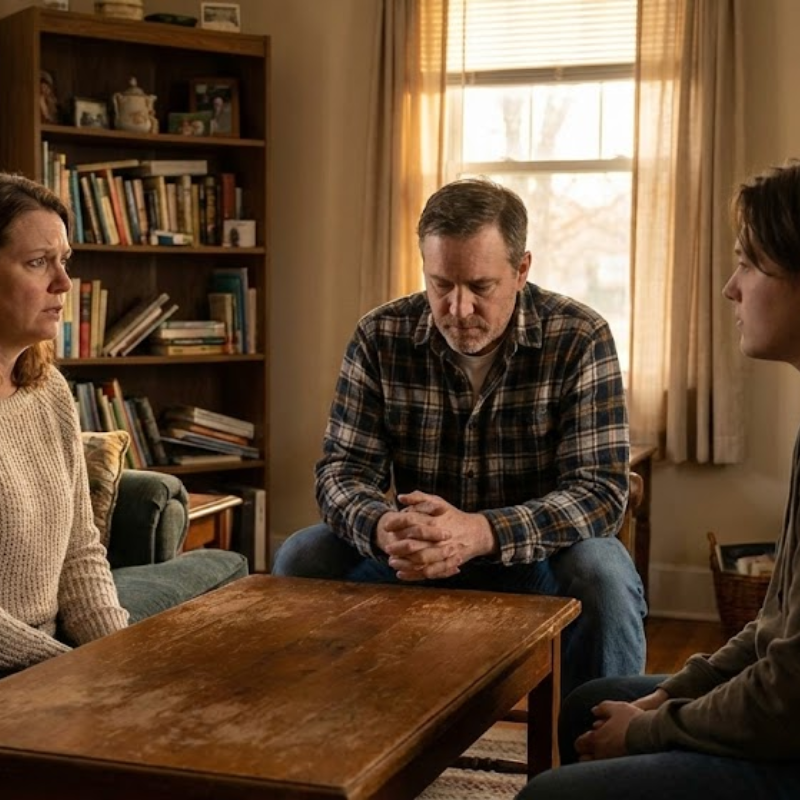
Signs of enabling addiction are often subtle, emotional, and rooted in love. Many spouses, parents, and partners in Tennessee are trying to protect someone they care about—yet unintentionally making addiction harder to escape. If you’re worried that your help may actually be hurting, you’re not alone, and there is a healthier path forward.
At Nashville Addiction Clinic, we regularly speak with families from Nashville, Murfreesboro, Clarksville, Knoxville, and Memphis who are desperate to help but unsure how. Understanding enabling behaviors is a powerful first step toward real recovery.
Accredited, Virtual Addiction Treatment for Tennessee
Nashville Addiction Clinic provides evidence-based Suboxone treatment through secure telemedicine, staffed by licensed Tennessee clinicians. No clinic visits required, ever.
- Statewide access across Tennessee
- Accredited by The Joint Commission
- Owned and managed by people in long-term recovery
Register for treatment online using your TennCare Medicaid, commercial insurance, or choose a payment plan. (A sliding-scale program is also available) Click here if you’re a returning patient.
What Does “Enabling Addiction” Mean?
Enabling addiction happens when actions meant to reduce pain, conflict, or consequences actually allow substance use to continue. These behaviors remove the natural results of addiction, making it easier for the person to avoid change.
Enabling is not the same as supporting recovery.
Support encourages accountability and treatment.
Enabling shields addiction from consequences.
Common Signs of Enabling Addiction in Families
Recognizing the signs of enabling addiction can be uncomfortable—but awareness leads to change.
Covering Up or Making Excuses
- Calling an employer to explain absences
- Lying to family members about substance use
- Blaming stress, pain, or “a rough patch” instead of addiction
Providing Money or Resources
- Paying bills when money is used for opioids
- Buying groceries while knowing cash is freed up for drugs
- Letting someone live rent-free without treatment expectations
Avoiding Conflict at All Costs
- Not setting boundaries to “keep the peace”
- Walking on eggshells to avoid anger or withdrawal symptoms
- Allowing substance use in the home to prevent arguments
Taking Over Responsibilities
- Raising their children while they continue using
- Managing legal, medical, or financial issues for them
- Canceling your own needs to manage their life
These signs of enabling addiction are especially common in families dealing with opioid use involving fentanyl, heroin, oxycodone, Percocet, kratom, or methadone.
Why Enabling Feels Like the Right Thing
Enabling behaviors often come from:
- Fear of withdrawal or overdose
- Shame or stigma around addiction
- Love and emotional attachment
- Past trauma or codependency
- Misinformation about treatment
Addiction changes brain chemistry. According to SAMHSA, opioid use disorder is a medical condition—not a moral failure. That means love alone cannot cure it, and shielding someone from consequences doesn’t stop cravings or withdrawal.
How Enabling Addiction Delays Recovery
When addiction is enabled:
- The urgency to seek help decreases
- The addiction feels “manageable”
- Motivation for treatment drops
- Risk of overdose quietly increases
The DEA reports that fentanyl-related overdoses often occur when tolerance fluctuates—something that happens when use continues without treatment. Removing barriers to use can unintentionally raise that risk.
Enabling vs. Supporting Recovery: Key Differences
Enabling Behaviors
- Paying fines, debts, or drug-related expenses
- Ignoring substance use patterns
- Rescuing repeatedly without change
Supportive Recovery Actions
- Encouraging professional treatment
- Setting clear, compassionate boundaries
- Offering help after accountability steps are taken
Support doesn’t mean abandoning someone. It means guiding them toward effective care.
How to Stop Enabling Without Abandoning Your Loved One
Stopping enabling addiction is difficult—but possible with structure and support.
Set Clear Boundaries
Boundaries are not punishments. They are limits that protect both people.
Examples:
- “I can’t give you money, but I’ll help you register for treatment.”
- “You can’t stay here unless you’re actively in recovery.”
Offer Treatment, Not Rescue
Instead of fixing consequences, redirect help toward solutions:
- Professional addiction treatment
- Medication-assisted treatment (MAT)
- Counseling and medical support
At Nashville Addiction Clinic, we provide 100% virtual Suboxone treatment across Tennessee in cities like Kingsport, Collierville, Smyrna, Spring Hill, and Gallatin—removing transportation and scheduling barriers.
How Telemedicine Treatment Helps Families Break the Cycle
Telemedicine (TeleMAT) allows people to start treatment quickly, privately, and safely—often the same day.
Why TeleMAT Works
- No in-person clinic visits required
- Same-day Suboxone prescriptions
- Reduced withdrawal and cravings
- Works from any smartphone
- Discreet for work and family life
Suboxone is FDA-approved and widely recognized as an effective treatment for opioid addiction.
Patients can safely transition from:
- Fentanyl
- Heroin
- Oxycodone / OxyContin
- Hydrocodone
- Percocet
- Morphine
- Methadone
- Kratom and 7-OH
Why Families Trust Nashville Addiction Clinic
Families across Tennessee choose Nashville Addiction Clinic because we offer:
- Accredited by The Joint Commission
- Clinic owners are in long-term recovery
- Over 260 Google Reviews (from real patients)
- Recipient of Tennessee’s first Virtual OBOT medical license
- Same-day Suboxone prescriptions
- Statewide award winner of the 2025 Best of Tennessee award for substance abuse treatment
- Over 1000 patients served since 2019
- Accepts most commercial/employee health plans, such as Blue Cross Blue Shield (all U.S. states), Cigna, Ambetter, and United Healthcare, as well as all TennCare Medicaid plans: Amerigroup Community Care, BlueCare, United Healthcare Community Plan, and Wellpoint Community Care.
- Overnight Suboxone delivery is available in most areas (a delivery fee applies)
- A compassionate team of caring doctors, nurse practitioners, counselors, and administrators who provide judgement-free care, some who are in recovery.
- Same-day appointments available every Monday through Friday from 8:00 AM to 5:00 PM (based on availability)
- Evening appointments every Monday and Wednesday until 9:00 PM
Our helpful staff is happy to answer any questions you may have. Call us or send us a text at (615) 927-7802, or message us securely using the Spruce Health mobile app.
Feeling nervous about starting telemedicine addiction treatment? Learn what to expect during your first Suboxone telemedicine appointment.
FAQs About Enabling Addiction
Is enabling addiction the same as loving someone too much?
No. Enabling is about behavior patterns, not love. Many deeply loving people unintentionally enable addiction by trying to protect or rescue someone from consequences.
Can setting boundaries cause someone to overdose?
No. Boundaries do not cause overdose. Untreated addiction does. Evidence-based treatment significantly reduces overdose risk and improves long-term outcomes.
What if my loved one refuses treatment?
You cannot force recovery. However, you can stop participating in behaviors that sustain addiction while still offering support for treatment when they’re ready.
Does Suboxone just replace one drug with another?
No. Suboxone is a medically proven treatment that stabilizes brain chemistry, reduces cravings, and dramatically lowers overdose risk when used under proper medical supervision.
Can treatment really start the same day?
Yes. Nashville Addiction Clinic offers same-day virtual appointments in many cases, allowing patients to begin treatment without visiting a physical clinic.
Stop Enabling – Help Someone Register for Same-Day Telemedicine Addiction Treatment
- Register for Suboxone Telehealth using your TennCare Medicaid
- Register for virtual Suboxone addiction treatment with your commercial insurance
- No Insurance? Register for Suboxone Telemedicine therapy and make payments
- Register as a returning patient
- Apply for our Sliding-Scale Program
- View all Medicaid and commercial insurance plans we accept and self-pay pricing
- We accept most private/employee health insurance, such as BCBS, Cigna, Ambetter, and United Healthcare, as well as all TennCare Medicaid insurance: Amerigroup Community Care, BlueCare, United Healthcare Community Plan, and Wellpoint Community Care.
- Same-day appointments and Suboxone prescriptions are often available when fully-registered before 10:00 am Central Time. (based on availability)
Not sure if your insurance is accepted? Click here to verify your coverage.
Experience a safe transition from hydrocodone, oxycodone, OxyContin, heroin, fentanyl, methadone, morphine, Kratom, 7-OH (7-Hydroxy-opioids), Roxicodone, Norcos, Percocet, Tramadol, Opana, codeine, oxymorphone, Tramadol, and other opioids.
If you would like to speak to someone about our telemedicine Suboxone program, please call or text us at (615) 927-7802. You can also message us securely on the Spruce Health mobile app.
Related Articles
- What Is an Enabler? Understanding Enabling Behavior in Addiction
- Signs of Kratom Addiction: When to Seek Help in Tennessee
- Opioid Use Disorder: A Path to Hope for Nashville
Addiction Resources
- Kratom/7-OH/7-hydroxymitragynine addiction is another opioid addiction-related issue facing Tennessean’s, thanks to it being readily available and unregulated. Learn more about Kratom addiction and virtual treatment options in Tennessee.
- DEA.gov – Opioid Addiction Resources
- Substance Abuse and Mental Health Services Administration (SAMHSA)
- Centers for Disease Control and Prevention | CDC.gov
- National Institute on Drug Abuse
- National Center on Substance Abuse and Child Welfare
Recent Posts
- Online Fentanyl Addiction Treatment for Tennessee Residents
- UnitedHealthcare Medicare Advantage Accepted at Nashville Addiction Clinic
- She Took Kratom for One Week — and Ended Up on Life Support: What Her Story Means for Tennessee
- Symptoms of Kratom Withdrawal: Safe, Virtual Recovery in Tennessee
- Help for Kratom Addiction: Virtual Treatment That Works in Tennessee
Recent Comments