

Blog
Brain Recovery After Addiction: How the Brain Heals During Suboxone Treatment
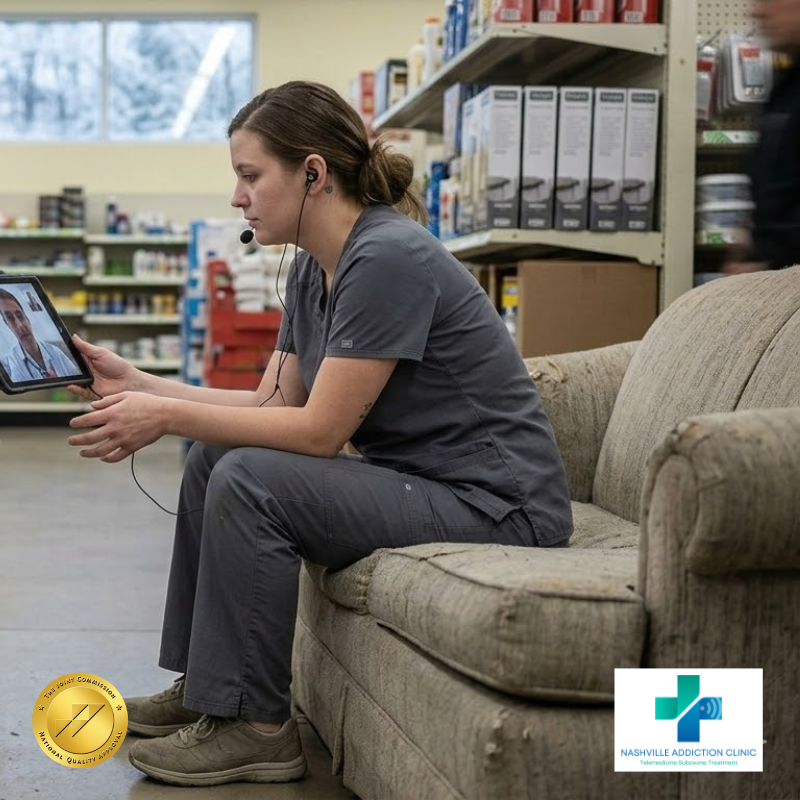
Opioid addiction can deeply affect the brain, but brain recovery after addiction is possible with the right medical support and time. At Nashville Addiction Clinic, many patients are surprised to learn that the brain can gradually repair itself once opioid use stops and treatment begins. With medications like Suboxone and supportive care through telemedicine, recovery can begin quickly and continue for months or years as the brain stabilizes.
Understanding how the brain heals after opioid addiction can give people hope during the early stages of recovery.
Addiction Treatment for Tennesseans by Tennesseans in Recovery
Nashville Addiction Clinic provides evidence-based Suboxone treatment through secure telemedicine, staffed by licensed Tennessee clinicians. No clinic visits required, ever.
- Statewide access across Tennessee
- Accredited by The Joint Commission
- Owned and managed by people in long-term recovery
Register for treatment online using your TennCare Medicaid, commercial insurance, or choose a payment plan. (A sliding-scale program is also available) Click here if you’re a returning patient.
How Opioids Change the Brain
Opioids such as hydrocodone, oxycodone, fentanyl, heroin, morphine, codeine, OxyContin, Percocet, oxymorphone, methadone, kratom, and 7-OH products affect the brain’s reward and survival systems.
These drugs attach to opioid receptors and cause a large release of dopamine — the brain chemical associated with pleasure and reward.
Over time, the brain adapts by:
- Producing less natural dopamine
- Reducing sensitivity of reward pathways
- Increasing dependence on opioids to feel normal
- Changing stress and emotional regulation systems
These changes explain why people experience:
- Intense cravings
- Depression or anxiety
- Difficulty feeling pleasure
- Strong withdrawal symptoms
The good news is that brain recovery after addiction begins as soon as opioid use stops and treatment starts.
According to the Substance Abuse and Mental Health Services Administration (SAMHSA), medication-assisted treatment can stabilize brain chemistry and significantly improve recovery outcomes.
What Happens During Brain Recovery After Addiction
When a person begins treatment with Suboxone, the brain slowly starts correcting the chemical imbalances caused by opioid addiction.
Tired of Visiting Clinics and Pharmacies? You Don’t Have to Anymore
We know the frustrations and stigmas often associated with addiction treatment, as well as the time it takes to visit a clinic, sit in a waiting room with people you don’t know, wondering if you’re being judged, watching the clock in hopes of leaving within a few hours. Sadly, your day doesn’t end there. You then have to drive to a pharmacy to pick up your Suboxone medications, which can sometimes be met with judgement, stigma, embarrassment, and even rejection.
By utilizing our Suboxone telemedicine program and overnight medication delivery pharmacy partner, you’ll never have to visit a clinic or pharmacy again.
Stabilization of Opioid Receptors
Suboxone contains buprenorphine, a partial opioid agonist. It activates opioid receptors just enough to:
- Prevent withdrawal symptoms
- Reduce cravings
- Stabilize brain chemistry
This stabilization allows the brain to begin healing without the intense highs and lows caused by short-acting opioids.
Dopamine System Recovery
One of the most important parts of brain recovery after addiction is the gradual normalization of dopamine signaling.
Patients often notice improvements in:
- Motivation
- Mood
- Ability to enjoy everyday activities
- Emotional stability
These changes may occur slowly but are powerful signs that the brain is repairing itself.
Timeline of Brain Recovery After Addiction
Brain healing does not happen overnight. It occurs gradually in stages.
First 1–2 Weeks
Early recovery focuses on withdrawal stabilization.
Suboxone helps eliminate severe symptoms such as:
- Body aches
- Nausea
- Sweating
- Insomnia
- Anxiety
- Restlessness
During this time, the brain begins adjusting to life without constant opioid spikes.
First 1–3 Months
During the first few months:
- Cravings decrease significantly
- Sleep patterns improve
- Mood becomes more stable
- Cognitive function begins to improve
Patients from cities like Memphis, Knoxville, Chattanooga, Clarksville, Murfreesboro, Franklin, and Jackson often report that they begin feeling “more like themselves” during this stage.
Six Months and Beyond
Longer periods of stability allow deeper neurological recovery. Many Suboxone doctors believe that one year of abstinence from opioids is when the brain “resets” to a more normal state.
Patients may notice:
- Clearer thinking
- Better decision making
- Reduced emotional reactivity
- Improved stress tolerance
These changes reflect significant brain recovery after addiction.
Why Medication-Assisted Treatment Helps the Brain Heal
Trying to quit opioids without medical treatment often leads to relapse because withdrawal symptoms are severe and cravings can overwhelm the brain.
Suboxone treatment helps by:
- Stabilizing brain chemistry
- Reducing relapse risk
- Allowing neurological recovery
- Providing consistent opioid receptor activity without dangerous highs
The U.S. Food and Drug Administration (FDA) recognizes buprenorphine medications like Suboxone as an effective treatment for opioid use disorder.
https://fda.gov
At Nashville Addiction Clinic, patients can begin treatment quickly through secure telemedicine appointments.
Register Today: Telemedicine Addiction Treatment and Overnight Suboxone Delivery
- Register for Suboxone Telehealth using your TennCare Medicaid
- Register for virtual Suboxone addiction treatment with your commercial insurance
- No Insurance? Register for Suboxone Telemedicine therapy and make payments
- Register as a returning patient
- Apply for our Sliding-Scale Program
- View all Medicaid and commercial insurance plans we accept and self-pay pricing
- We accept most private/employee health insurance, such as BCBS, Cigna, Ambetter, and United Healthcare, as well as all TennCare Medicaid insurance: Amerigroup Community Care, BlueCare, United Healthcare Community Plan, and Wellpoint Community Care.
- Same-day appointments and Suboxone prescriptions are often available when fully-registered before 10:00 am Central Time. (based on availability)
Not sure if your insurance is accepted? Click here to verify your coverage.
Experience a safe transition from hydrocodone, oxycodone, OxyContin, heroin, fentanyl, methadone, morphine, Kratom, 7-OH (7-Hydroxy-opioids), Norcos, Percocet, Roxicodone, Vicodin, Tianeptine, Tramadol, Opana, codeine, oxymorphone, and other opioids.
If you would like to speak to someone about our telemedicine Suboxone program, please call or
Why Telemedicine Helps Patients Stay in Recovery
Access to care is a major barrier for many people struggling with opioid addiction.
Many patients face challenges such as:
- Lack of transportation
- Work schedules
- Childcare responsibilities
- Fear of stigma in local communities
Nashville Addiction Clinic provides 100% virtual treatment across Tennessee.
Patients can:
- Attend appointments from home
- Receive same-day Suboxone prescriptions
- Pick up medications locally or receive overnight delivery
Why Choose Nashville Addiction Clinic for Addiction Treatment?
- Accredited by The Joint Commission
- Our clinic owners are in long-term recovery
- Over 260 Google Reviews (from real patients)
- Recipient of Tennessee’s first Virtual OBOT medical license
- Same-day Suboxone prescriptions
- Statewide award winner of the 2025 Best of Tennessee award for substance abuse treatment
- Over 1000 patients served since 2019
- Accepts most commercial/employee health plans, such as Blue Cross Blue Shield (all U.S. states), Cigna, Ambetter, and United Healthcare, as well as all TennCare Medicaid plans: Amerigroup Community Care, BlueCare, United Healthcare Community Plan, and Wellpoint Community Care.
- Overnight Suboxone delivery is available in most areas (a delivery fee applies)
- A compassionate team of caring doctors, nurse practitioners, counselors, and administrators who provide judgement-free care, some who are in recovery.
- Same-day appointments available every Monday through Friday from 8:00 AM to 5:00 PM (based on availability)
- Evening appointments every Monday and Wednesday until 9:00 PM
Our helpful staff is happy to answer any questions you may have. Call us or send us a text at (615) 927-7802, or message us securely using the Spruce Health mobile app.
Feeling nervous about starting telemedicine addiction treatment? Learn what to expect during your first Suboxone telemedicine appointment.
Emotional Healing During Brain Recovery
Brain recovery after addiction is not only chemical — it is also emotional.
Patients often rediscover:
- Motivation
- Hope
- Interest in family and hobbies
- Confidence in the future
This process is sometimes called neuroplasticity, meaning the brain’s ability to form new pathways and repair damaged ones.
According to the Drug Enforcement Administration (DEA) and public health research, long-term recovery is greatly improved when patients receive consistent medical support and counseling.
At Nashville Addiction Clinic, many of our staff and owners are in long-term recovery themselves. That perspective helps us treat every patient with dignity, compassion, and understanding.
Signs Your Brain Is Healing in Recovery
Many patients worry that they have permanently damaged their brain.
In reality, people often experience clear signs of healing such as:
- Reduced cravings
- Improved concentration
- Better emotional control
- Restored sleep patterns
- Renewed interest in normal activities
- Increased ability to handle stress
These improvements demonstrate brain recovery after addiction in real time.
Kratom (7-OH, 7-Hydroxy) Addiction is Rampant in Tennessee
If you’re struggling with Kratom addiction or products containing 7-hydroxy (7-OH), you are not alone. Many people across Tennessee have experienced severe withdrawal symptoms, cravings, and loss of control after using these highly potent substances.
There are growing reports that certain Tennessee retailers have provided free samples of Kratom and 7-Hydroxy products, a practice that raises serious concerns about intentionally encouraging dependence and repeat sales.
Recovery Care of Columbia has extensive experience helping patients safely transition from Kratom and 7-hydroxy products to buprenorphine/naloxone (Suboxone) through secure telemedicine appointments. Since 2024, we have treated hundreds of Tennesseans seeking relief from Kratom dependence—including individuals using daily amounts in excess of 800 mg.
Our providers understand the unique withdrawal patterns associated with 7-hydroxy and Kratom extracts. We develop personalized induction plans designed to reduce discomfort and stabilize you safely, without ever stepping into our clinic.
If you’re ready to stop Kratom, 7-OH, 7-Hydroxy, confidential online treatment is available now—no matter where you live in Tennessee.
Frequently Asked Questions
How long does brain recovery after addiction take?
The brain begins healing immediately after opioids are stopped and treatment begins, but full recovery may take months or years depending on the individual.
Can Suboxone help the brain heal?
Yes. Suboxone stabilizes opioid receptors, reduces cravings, and prevents withdrawal, allowing the brain to gradually recover.
Will I ever feel normal again after opioid addiction?
Most patients experience major improvements in mood, motivation, and emotional stability during recovery, especially when receiving consistent treatment.
Is virtual addiction treatment effective?
Yes. Telemedicine addiction treatment has proven highly effective and increases access to care for patients who might otherwise struggle to attend in-person clinics.
Can I start Suboxone treatment the same day?
In many cases, patients at Nashville Addiction Clinic can begin treatment the same day they schedule an appointment.
Related Articles
- Does 7-Hydroxy/Kratom Help With Energy and Clarity
- What Is TeleMAT Addiction Treatment? A Simple Guide for Tennessee Patients
- How to Get Put on Suboxone | Nashville Addiction Clinic
Addiction Resources
- Kratom/7-OH/7-hydroxymitragynine addiction is another opioid addiction-related issue facing Tennessean’s, thanks to it being readily available and unregulated.
Learn more about Kratom addiction and virtual treatment options in Tennessee. - DEA.gov – Opioid Addiction Resources
- Substance Abuse and Mental Health Services Administration (SAMHSA)
- Centers for Disease Control and Prevention | CDC.gov
- National Institute on Drug Abuse
- National Center on Substance Abuse and Child Welfare
Recent Posts
- Online Fentanyl Addiction Treatment for Tennessee Residents
- UnitedHealthcare Medicare Advantage Accepted at Nashville Addiction Clinic
- She Took Kratom for One Week — and Ended Up on Life Support: What Her Story Means for Tennessee
- Symptoms of Kratom Withdrawal: Safe, Virtual Recovery in Tennessee
- Help for Kratom Addiction: Virtual Treatment That Works in Tennessee
Recent Comments