

Kratom Withdrawal Home Remedies & Safe Treatment Options

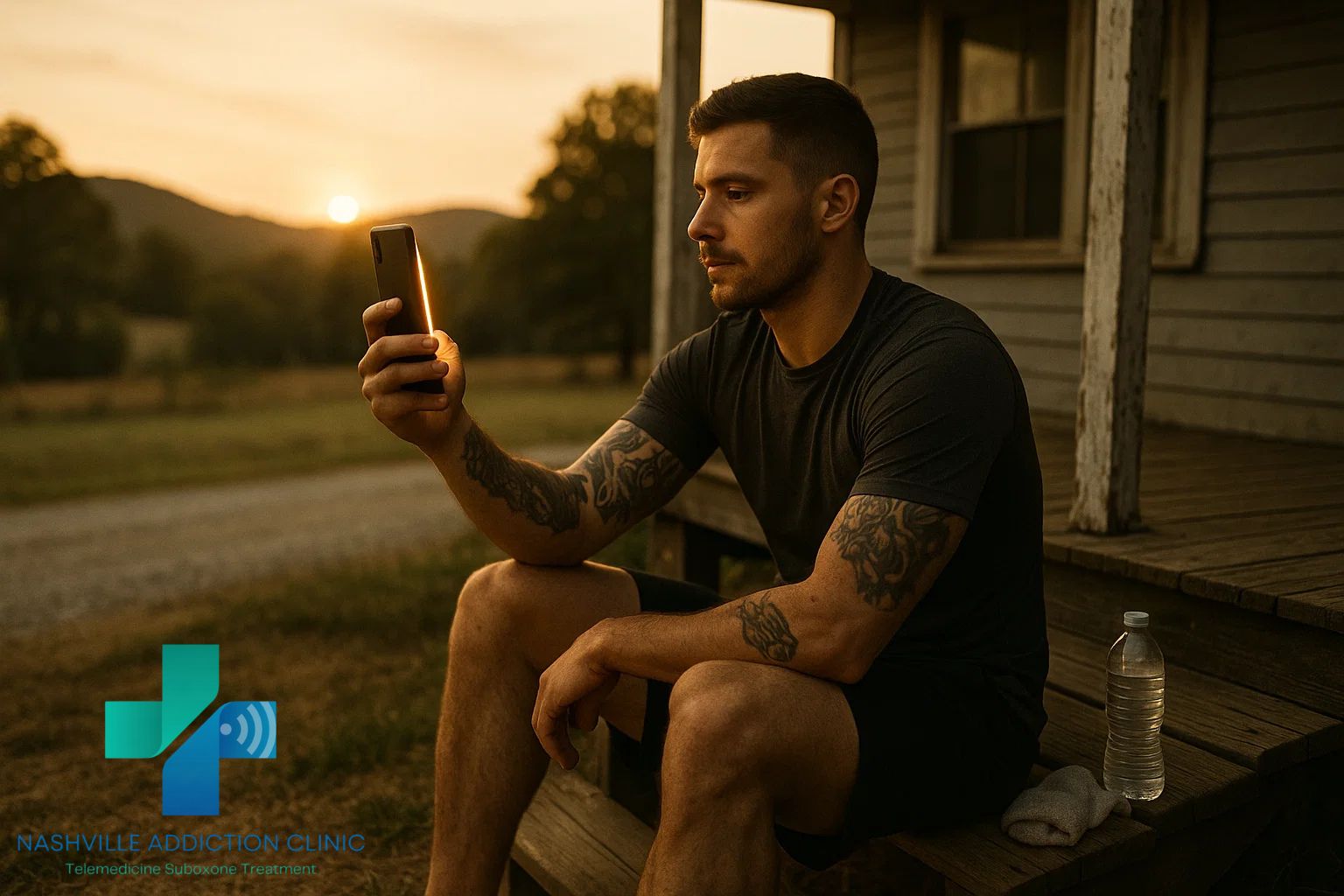
Kratom withdrawal home remedies are often searched by people trying to ease their symptoms alone. But relying solely on home remedies can be risky, incomplete, and lead to relapse or worse. At Nashville Addiction Clinic, we understand how frightening withdrawal can be — and we offer compassionate, expert-guided treatment to help you get through it.
If you live in Memphis, Knoxville, Chattanooga, Clarksville, or Johnson City and are struggling with opioid or kratom dependence, you don’t have to face this alone.
Why “Kratom Withdrawal Home Remedies” Aren’t Enough
Many people seek kratom withdrawal home remedies, hoping to lessen symptoms like nausea, anxiety, muscle aches, and insomnia. While supportive techniques can help somewhat, kratom has opioid-like properties, and abrupt cessation can lead to serious discomfort or risk. The FDA does not approve kratom for medical use and warns that kratom products may be adulterated or contaminated. (U.S. Food and Drug Administration)
Research shows that kratom contains alkaloids such as mitragynine and 7-hydroxymitragynine (7-OH), which bind to opioid receptors and can lead to dependence and withdrawal symptoms. (National Institute on Drug Abuse)
A 2023 review emphasized that kratom withdrawal is a real medical issue requiring careful management. (PMC)
Therefore, while kratom withdrawal home remedies may offer partial relief, they should not replace medical treatment. Our clinic offers TeleMAT (telemedicine medication-assisted treatment) so you can get professional care at home, without needing transportation.
8 Supportive Home Remedies (But Proceed With Caution)
These methods can help ease symptoms while under medical supervision. They are not a cure, but can support your comfort during withdrawal:
- Hydration & Electrolytes
Dehydration can worsen nausea, muscle cramps, and fatigue. Drink water, coconut water, or electrolyte beverages (low sugar).
- Gentle Exercise & Stretching
Light walking or yoga can boost mood, reduce muscle stiffness, and distract your mind.
- Warm Baths & Heating Pads
Warm water immersion or heating pads on sore limbs may relieve muscle aches and tension.
- Over-the-Counter Pain Relievers (as appropriate)
Under physician guidance, nonsteroidal anti-inflammatories (like ibuprofen) may ease aches — but avoid mixing with other substances.
- Sleep Hygiene & Relaxation Techniques
Use deep breathing, meditation, or guided imagery to combat insomnia and anxiety.
- Nutrient-Rich Foods & Small Frequent Meals
Broths, bananas, oatmeal, and bland but nutritious foods help stabilize blood sugar and support your body.
- Support System & Accountability
Having someone to check on you, talk you through cravings, or just keep you company lowers isolation.
- Cold/Hot Compresses, Epsom Salt Soaks
For localized soreness, alternating hot/cold compresses or Epsom salt baths may help ease discomfort.
Caution: Some people try herbal supplements or over-the-counter “remedies” claiming to ease withdrawal. These are mostly unregulated, may interact with other medications, and are not FDA-approved. Relying on them alone may delay proper care or cause danger.
When Medical Care Is Absolutely Essential
Even if you try kratom withdrawal home remedies, there are certain red flags that demand professional intervention:
- Severe dehydration, inability to keep fluids down
- Chest pain, difficulty breathing, confusion, seizures
- Suicidal ideation or self-harm thoughts
- Very high blood pressure or heart rate
- Persistent vomiting or diarrhea for many days
Opioid addiction—even triggered initially by kratom—carries risk of overdose or death, especially if someone relapses into fentanyl, heroin, or prescription opioids. The DEA, FDA, and SAMHSA all warn about the dangers of untreated opioid use disorder. (U.S. Food and Drug Administration)
In these cases, medication-assisted treatment (MAT) is often the safest and most effective route.
How Nashville Addiction Clinic Helps You Avoid the Struggle
TeleMAT — Virtual Addiction Treatment You Can Trust
At Nashville Addiction Clinic, we pioneered virtual addiction treatment in Tennessee. We are the first clinic in Tennessee to receive a virtual medical license for treating opioid (and kratom) addiction via telemedicine.
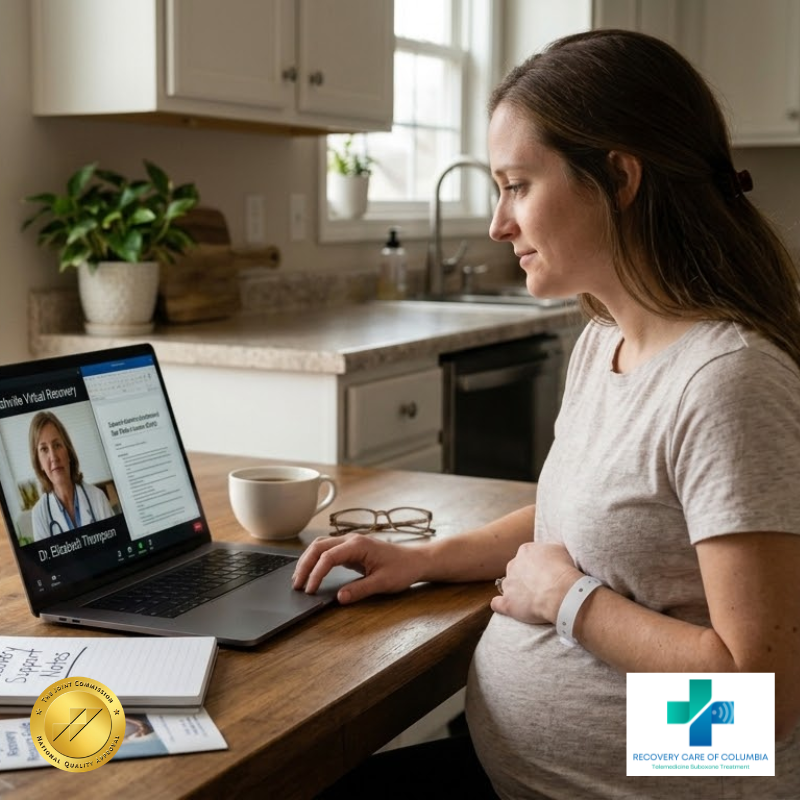
You never need to come to a clinic. We handle everything online — your intake, prescriptions, follow-ups, and counseling.
Same-Day Suboxone + Overnight Delivery
On your first appointment, our medical team can prescribe Suboxone (buprenorphine/naloxone) — a proven MAT medication that suppresses withdrawal and reduces cravings. Prescription can be sent to your local pharmacy or delivered overnight.
This approach is safer, evidence-based, and endorsed by addiction medicine specialists (buprenorphine has been used off-label in case reports for kratom withdrawal) (dig.pharmacy.uic.edu).
The Keys to Life-Long Recovery
We believe recovery is not just a prescription — it’s a partnership of:
- Suboxone, appropriately managed
- Counseling with master’s-level clinicians
- Supportive staff (many in recovery themselves) with empathy & respect
- A caring team who understands your challenges
We have more than 1,000 Tennesseans treated, clinic longevity of 6 years, over 250 five-star Google reviews, and Joint Commission accreditation. Many of our patients are men and women ages 18 to 65.
Meet our kind, supportive, non-judgemental staff
How to Register for Our Virtual Treatment
We offer flexible pathways to join:
- Commercial health insurance registrations:
Register for virtual addiction treatment using commercial health insurance - TennCare Medicaid registrations:
Register for online Suboxone treatment using TennCare Medicaid health insurance - Self-pay / sliding scale options:
Register for self-pay online addiction treatment
Apply for our Sliding-Scale Program - Returning patients:
Register as a returning patient - Insurance & pricing details:
View insurance and pricing
Call or text us anytime at (615) 927-7802 or message securely via the Spruce Health app if you have questions.
Frequently Asked Questions (FAQ)
Q1: What is kratom withdrawal and what are common symptoms?
A1: Kratom withdrawal occurs when someone stops regular kratom use after dependence has developed. Symptoms may include nausea, diarrhea, muscle aches, insomnia, anxiety, irritability, sweating, and cravings. (PMC)
Q2: How long does kratom withdrawal last?
A2: The timeline varies by user, dose, and duration. Some report acute symptoms for a week or two; others experience protracted symptoms lasting up to several months. (dig.pharmacy.uic.edu)
Q3: Can kratom withdrawal be treated with medication?
A3: Yes — buprenorphine (Suboxone) has been used off-label in case reports to ease kratom withdrawal and dependence. (dig.pharmacy.uic.edu) But this should be done under medical supervision.
Q4: Are kratom withdrawal home remedies safe?
A4: Supportive remedies (hydration, rest, gentle exercise) are generally safe, but they don’t fully address withdrawal mechanisms. Using these alone may prolong suffering or risk relapse.
Q5: Can I just “cold turkey” quit kratom?
A5: Abrupt cessation may trigger uncomfortable or dangerous symptoms, especially if you have a history of opioid dependence. Medical supervision is strongly recommended.
Q6: What makes Nashville Addiction Clinic different?
A6: We pioneered TeleMAT in Tennessee, treat people ages 18 to 65, have over 1,000 Tennesseans served, six years’ clinical stability, and over 250 five-star reviews.
Q7: Will I need to travel to a clinic?
A7: No — our entire program is virtual. You never have to leave your home.
Related Articles
- Suboxone Appointment Today: Tennessee’s Proven Virtual Path to Recovery
- Kratom Withdrawal: Safe, Virtual Recovery Options in Tennessee
- Kratom Addiction Help in Tennessee: Virtual Suboxone Care That Works
External Resources
- DEA.gov – Opioid addiction-related articles
- National Institute on Drug Abuse
- Substance Abuse and Mental Health Services Administration (SAMHSA)
- Centers for Disease Control and Prevention | CDC.gov
- National Center on Substance Abuse and Child Welfare
- Locate a Peer Recovery Support Specialist
- Tennessee Department of Health Drug Overdose Dashboard
If you’re searching for kratom withdrawal home remedies, remember—those may ease discomfort a little, but real, safe, and lasting recovery comes through medically supervised treatment. At Nashville Addiction Clinic, we make that possible virtually across Tennessee.
Call or text (615) 927-7802 or message us in the Spruce Health app — and let us guide you through this safely and respectfully.