

Tennessee Bill HB1647 Could Ban Kratom: What 7-OH Users Need to Know


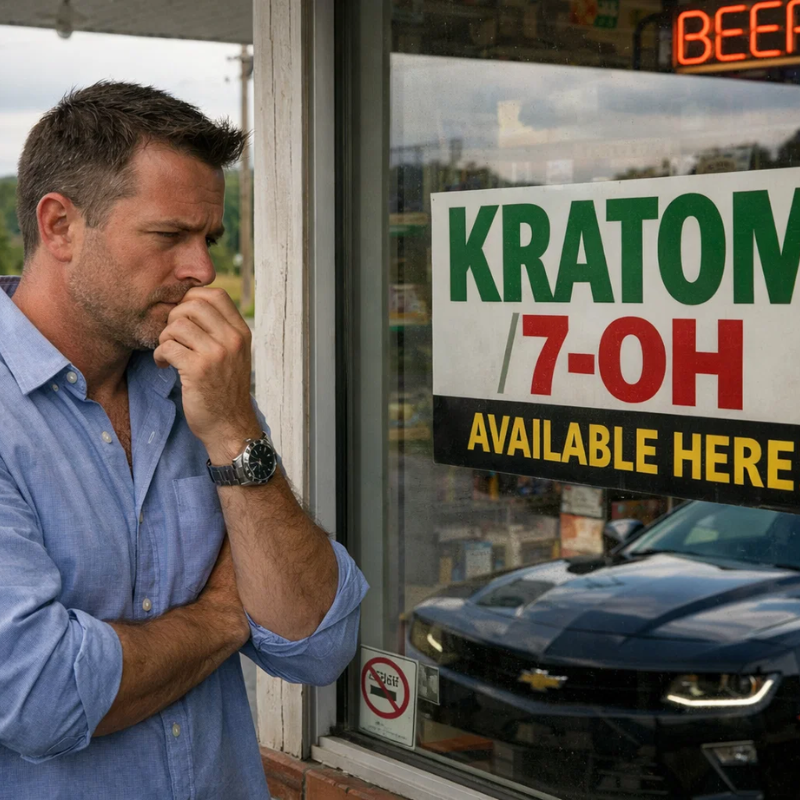
A new bill currently being discussed in the Tennessee legislature could dramatically change the legal status of kratom and products containing 7-hydroxymitragynine (often called 7-OH). The proposed law, House Bill 1647 (HB1647), along with its Senate companion SB1655, would classify kratom and its primary active compounds as controlled substances under Tennessee law.
If passed, the legislation could make it illegal to possess, sell, or distribute kratom products in the state.
For people who currently use kratom—or stronger products containing concentrated 7-hydroxy compounds—this raises an important question: what happens if kratom suddenly becomes illegal in Tennessee?
Understanding the bill, the concerns behind it, and the treatment options available can help Tennessee residents prepare for potential changes.
Kratom Addiction Treatment for Tennessee by Tennesseans in Recovery
Nashville Addiction Clinic provides evidence-based Suboxone treatment through secure telemedicine, staffed by licensed Tennessee clinicians. No clinic visits required, ever.
- Statewide access across Tennessee
- Accredited by The Joint Commission
- Owned and managed by people in long-term recovery
Register for treatment online using your TennCare Medicaid, commercial insurance, or choose a payment plan. (A sliding-scale program is also available) Click here if you’re a returning patient.
What Is Tennessee Bill HB1647?
HB1647 is proposed legislation that would place kratom and several kratom-derived compounds on Tennessee’s controlled substances list.
The bill specifically targets substances such as:
- Mitragynine, the primary compound found in kratom
- 7-hydroxymitragynine (7-OH)
- Kratom plant material
- Kratom extracts and derivatives
If the bill becomes law, the possession, sale, and distribution of kratom products could become illegal statewide.
Currently, kratom products are widely available throughout Tennessee and can often be found in:
- Smoke shops
- Vape stores
- Convenience stores
- Online retailers
Because of how widely these products are sold today, the proposed law would represent a major shift in how the state regulates kratom.
Why Lawmakers Are Focusing on 7-Hydroxy Products
While kratom itself has been debated for years, much of the current attention surrounding HB1647 centers on products containing concentrated 7-hydroxymitragynine.
7-hydroxymitragynine is one of the naturally occurring alkaloids found in kratom leaves. In traditional kratom products, it appears only in very small amounts.
However, modern manufacturing techniques now allow producers to create highly concentrated 7-OH products.
These products are often marketed as:
- 7-OH tablets
- kratom extract shots
- enhanced kratom capsules
- high-potency kratom extracts
Because 7-hydroxy interacts strongly with opioid receptors in the brain, these products can produce much stronger effects than traditional kratom leaf products.
This increased potency is one of the reasons lawmakers and healthcare professionals are expressing concern.
How 7-OH Products Affect the Brain
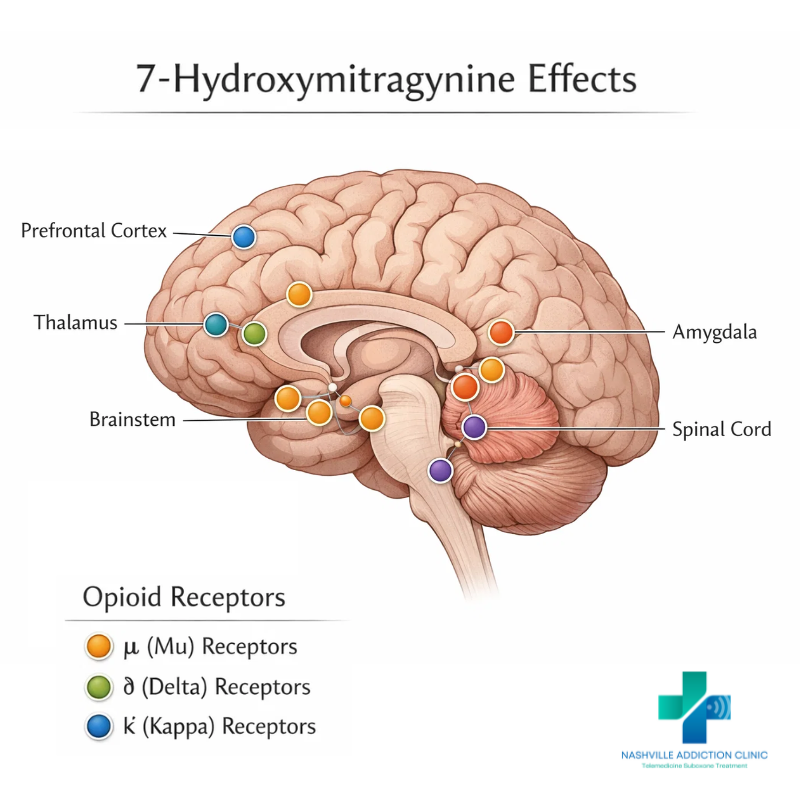
Both mitragynine and 7-hydroxymitragynine interact with opioid receptors in the brain.
These are the same receptors affected by substances such as:
- morphine
- oxycodone
- heroin
- prescription opioid pain medications
When these receptors are activated, people may experience effects such as:
- pain relief
- relaxation
- sedation
- mood changes
Because 7-hydroxymitragynine is significantly more potent than mitragynine, products containing concentrated 7-OH can produce stronger opioid-like effects.
With repeated use, this can increase the likelihood of:
- tolerance
- physical dependence
- withdrawal symptoms when stopping
These risks are one of the primary reasons lawmakers are considering stricter regulation or a ban.
The Growing Availability of High-Potency Kratom Products
The kratom marketplace in the United States has evolved rapidly in recent years.
When kratom first became widely available, most products consisted of powdered kratom leaf or capsules.
Today, consumers increasingly encounter:
- liquid kratom shots
- enhanced extracts
- concentrated alkaloid products
- tablets containing high levels of 7-hydroxy
Some of these products are marketed as “extra strength” or “ultra-potent” kratom, which can be significantly stronger than traditional kratom powder.
Because these products are often sold as supplements, labeling standards can vary widely. In some cases, consumers may not know how much of certain compounds are present in the product they are using.
This lack of standardization has raised concerns among policymakers and addiction treatment providers.
Can 7-OH Products Lead to Dependence?
Although kratom is sometimes described as a natural alternative to opioids, its primary compounds affect the same opioid receptor system in the brain.
With regular use—particularly with high-potency extracts—some individuals may develop physical dependence.
Dependence means that the body becomes accustomed to the substance, and stopping suddenly can lead to withdrawal symptoms.
Common withdrawal symptoms reported by individuals stopping kratom or 7-OH products may include:
- anxiety or agitation
- muscle aches
- insomnia
- nausea or digestive upset
- restlessness
- strong cravings
These symptoms can make it difficult for some individuals to stop using the substance on their own.
In recent years, addiction treatment providers have reported seeing more patients seeking help for kratom and 7-hydroxy dependence.
Frequently Asked Questions About the Tennessee Kratom Ban Bill
Is kratom currently illegal in Tennessee?
No. Under current Tennessee law, kratom remains legal in certain regulated forms. However, proposed legislation could change this. Lawmakers are considering bills that would make the possession, sale, and distribution of kratom illegal in Tennessee.
What is the Tennessee kratom ban bill (HB1647 / SB1655)?
HB1647 and SB1655 are proposed Tennessee bills known as Matthew Davenport’s Law. As introduced, these bills would create criminal offenses for knowingly possessing, manufacturing, delivering, or selling kratom in Tennessee. If passed, kratom products would no longer be legally sold in the state.
Why are lawmakers concerned about kratom and 7-hydroxy products?
One major concern involves high-potency kratom extracts and products containing concentrated 7-hydroxymitragynine (7-OH). Traditional kratom leaves contain relatively small amounts of this compound, but some modern products contain much higher concentrations. These stronger products may increase the risk of tolerance, dependence, and withdrawal symptoms, which has led some lawmakers and healthcare providers to support stricter regulation or a complete ban.
When could the Tennessee kratom ban take effect?
If the legislation passes the Tennessee House and Senate and is signed into law, the proposed effective date would likely be July 1, 2026. However, the legislative process can change timelines, and the bill could be amended, delayed, or fail to pass entirely.
What happens if someone is dependent on kratom?
People who use kratom regularly — especially high-potency extracts or 7-hydroxy products — may develop physical dependence. When they stop suddenly, they may experience withdrawal symptoms such as:
- Anxiety
- Restlessness
- Muscle aches
- Nausea
- Insomnia
- Strong cravings
These symptoms can make quitting difficult without medical support.
Can kratom withdrawal be treated?
Yes. Many healthcare providers use medication-assisted treatment (MAT) to help manage kratom withdrawal and cravings.
Medications containing buprenorphine, such as Suboxone®, can stabilize the same brain receptors affected by kratom and opioids. This can significantly reduce withdrawal symptoms and allow patients to transition away from kratom safely under medical supervision.
You can learn more about treatment options here:
Kratom & 7-OH Addiction: Causes, Risks, and How Suboxone Treatment Can Help
Is treatment available if I live in a rural area of Tennessee?
Yes. Many addiction treatment providers now offer secure telemedicine appointments, allowing patients to receive treatment from home.
Through telemedicine, patients can:
- Meet with a licensed provider
- Develop a treatment plan
- Begin medication-assisted treatment if appropriate
This approach has made addiction treatment far more accessible across Tennessee, including rural communities where in-person services may be limited.
Where can someone get help for kratom or 7-hydroxy dependence?
If you or someone you care about is struggling with kratom or 7-hydroxy dependence, confidential help is available.
Addiction treatment providers experienced in treating kratom dependence can help patients manage withdrawal symptoms and begin recovery through evidence-based treatments such as buprenorphine-based medications and supportive care.
Early treatment can make stopping kratom safer and far more manageable.
Why Choose Nashville Addiction Clinic for Online Kratom Addiction Treatment?
- Accredited by The Joint Commission
- Treating Kratom addiction with Suboxone since 2024
- Our clinic owners are in long-term recovery
- Over 260 Google Reviews (from real patients)
- Recipient of Tennessee’s first Virtual OBOT medical license
- Same-day Suboxone prescriptions
- Statewide award winner of the 2025 Best of Tennessee award for substance abuse treatment
- Over 1000 patients served since 2019
- Accepts most commercial/employee health plans, such as Blue Cross Blue Shield (all U.S. states), Cigna, Ambetter, and United Healthcare, as well as all TennCare Medicaid plans: Amerigroup Community Care, BlueCare, United Healthcare Community Plan, and Wellpoint Community Care.
- Overnight Suboxone delivery is available in most areas (a delivery fee applies)
- A compassionate team of caring doctors, nurse practitioners, counselors, and administrators who provide judgement-free care, some who are in recovery.
- Same-day appointments available every Monday through Friday from 8:00 AM to 5:00 PM (based on availability)
- Evening appointments every Monday and Wednesday until 9:00 PM
Our helpful staff is happy to answer any questions you may have about your addiction to Kratom/7-Hydroxy. Call us or send us a text at (615) 927-7802, or message us securely using the Spruce Health mobile app.
Feeling nervous about starting telemedicine addiction treatment? Learn what to expect during your first Suboxone telemedicine appointment.
What Happens If Kratom Is Banned in Tennessee?
If HB1647 becomes law, access to kratom products in Tennessee could change quickly.
Retail sales could stop, and possession of kratom products could potentially carry legal consequences.
For individuals who have developed dependence on kratom or 7-hydroxy products, this could create a difficult situation.
People who stop suddenly may experience withdrawal symptoms that make it difficult to function normally.
This is why healthcare providers emphasize the importance of medical support when stopping substances that affect opioid receptors.
Treatment Options for Kratom and 7-OH Dependence
Fortunately, effective treatment options are available for individuals struggling with kratom or 7-hydroxy dependence.
Many addiction treatment providers now have experience helping patients safely transition away from these substances.
One widely used treatment involves medications containing buprenorphine, such as Suboxone®.
Buprenorphine works by stabilizing opioid receptors in the brain, which can help:
- reduce withdrawal symptoms
- decrease cravings
- support long-term recovery
For many patients, medication-assisted treatment allows them to transition away from kratom or 7-OH products safely while regaining stability in their daily lives.
If you want to learn more about kratom and 7-OH addiction and the treatment options available, visit our detailed guide:
Kratom & 7-OH Addiction: Causes, Risks, and How Suboxone Treatment Can Help
Register Today for Kratom/7-Hydroxy Telemedicine Addiction Treatment
- Register for Kratom Telehealth treatment using your TennCare Medicaid
- Register for virtual Kratom Addiction treatment with your commercial insurance
- No Insurance? Register for Kratom Telemedicine treatment and make payments
- Register as a returning Kratom patient
- Apply for our Sliding-Scale Program
- View all Medicaid and commercial insurance plans we accept and self-pay pricing
- We accept most private/employee health insurance, such as BCBS, Cigna, Ambetter, and United Healthcare, as well as all TennCare Medicaid insurance: Amerigroup Community Care, BlueCare, United Healthcare Community Plan, and Wellpoint Community Care.
- Same-day appointments and Suboxone prescriptions are often available when fully-registered before 10:00 am Central Time. (based on availability)
Not sure if your insurance is accepted? Click here to verify your coverage.
Experience a safe transition from Kratom, 7-OH (7-Hydroxymitragynine), hydrocodone, oxycodone, OxyContin, heroin, fentanyl, methadone, morphine, Norcos, Percocet, Roxicodone, Vicodin, Tianeptine, Tramadol, Opana, codeine, oxymorphone, and other opioids.
If you would like to speak to someone about our telemedicine Kratom Addiction Treatment Program, please call or text us at (615) 927-7802. You can also message us securely on the Spruce Health mobile app.
Why Telemedicine Addiction Treatment for Kratom/7-Hydroxy Addiction?
Telemedicine Treatment Is Available Across Tennessee
One of the biggest advances in addiction treatment in recent years has been the expansion of telemedicine care.
Today, many patients across Tennessee can receive addiction treatment without traveling to a physical clinic.
Through secure online appointments, patients can:
- speak with a licensed addiction treatment provider
- develop a personalized treatment plan
- begin medication-assisted treatment if appropriate
- receive ongoing follow-up care
This approach has made treatment far more accessible, particularly for individuals living in rural areas of Tennessee where addiction treatment resources may be limited.
What Happens Next With HB1647?
At the moment, HB1647 is still under consideration in the Tennessee legislature.
Before becoming law, the bill must pass through committee review, legislative debate, and approval by both the Tennessee House and Senate.
The bill could also be modified or replaced with alternative proposals that focus on regulation rather than an outright ban.
Regardless of the outcome, the growing attention surrounding kratom and 7-hydroxy products reflects increasing awareness of the risks associated with high-potency extracts.
For individuals who may already be experiencing dependence or withdrawal symptoms, it is important to know that help is available.
Confidential telemedicine treatment allows patients across Tennessee to receive professional care and begin recovery safely and privately.
Fast-Online Registration for Same-Day Kratom Addiction Treatment with Prescriptions Delivered to Your Door
- TennCare Medicaid virtual addiction treatment coverage
- Commercial insurance Suboxone telemedicine program
- Self-pay telemedicine Suboxone program (make payments)
- Sliding-scale virtual Suboxone program application
You can review insurance and pricing details before scheduling, so there are no surprises.
If you have TennCare Medicaid insurance, your treatment and medication costs are typically $0. If you have commercial health insurance, we will provide you with a treatment cost estimate before scheduling your first telemedicine appointment. If you don’t have health insurance, we offer biweekly and monthly payment plans.
More Kratom Addiction Articles
- 7-Hydroxy Addiction: Virtual Treatment That Works for Tennessee Residents
- Kratom 7-OH Recovery: Your Path to Safe, Virtual Opioid Treatment
- 7-OH Addiction Treatment in Tennessee: Safe, Virtual Recovery with Suboxone
- Kratom Withdrawal: Safe, Virtual Recovery Options in Tennessee
Addiction Resources
- Kratom/7-OH/7-hydroxymitragynine addiction is another opioid addiction-related issue facing Tennessean’s, thanks to it being readily available and unregulated.
Learn more about Kratom addiction and virtual treatment options in Tennessee. - DEA.gov – Opioid Addiction Resources
- Substance Abuse and Mental Health Services Administration (SAMHSA)
- Centers for Disease Control and Prevention | CDC.gov
- National Institute on Drug Abuse
- National Center on Substance Abuse and Child Welfare
7-Hydroxy Kratom Products: Tennessee Lawmakers Consider Bill for Banning