

Blog
Is Kratom Habit Forming? Risks and Recovery Answers
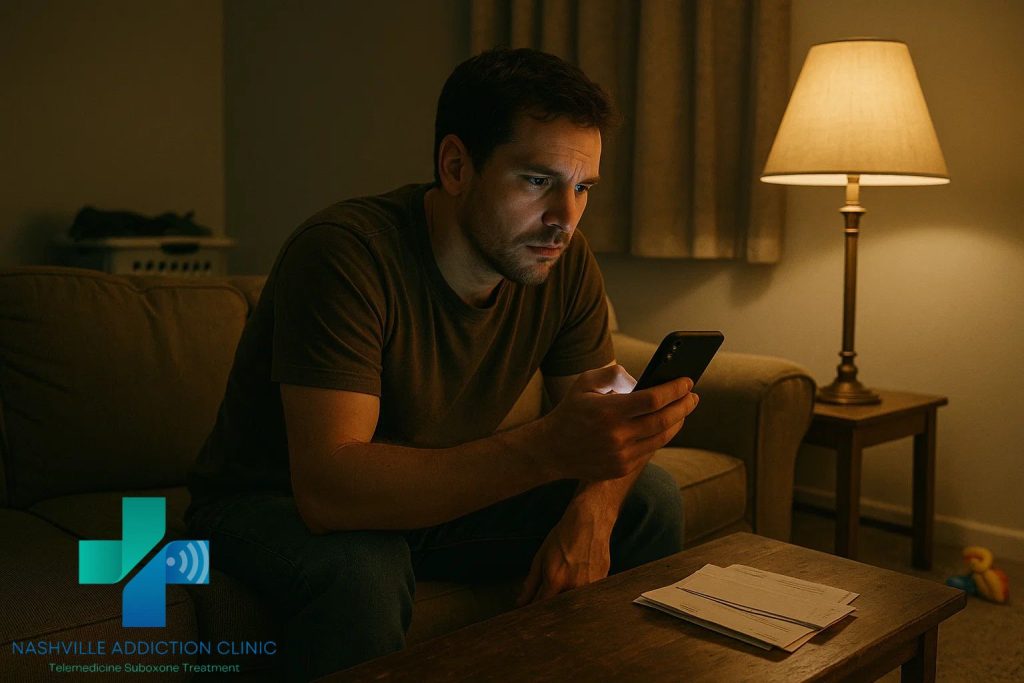
Is kratom habit forming? Many people ask this while trying to self-manage pain or opioid withdrawal. In fact, kratom can lead to dependence and withdrawal—and for someone already struggling with opioids, it can complicate recovery. At Nashville Addiction Clinic, we help people from Hendersonville, Kingsport, Collierville, Smyrna, Spring Hill, to Gallatin, (and other Tennessee cities) find a safe path to recovery without ever needing to drive to a clinic.
Below, you’ll learn evidence-based answers to “is kratom habit forming,” associated risks, and how TeleMAT (telemedicine medication-assisted treatment) with Suboxone offers a better, kinder, and more stable alternative.
Is Kratom Habit Forming — What the Evidence Says
What is kratom, and how does it act in the brain?
Kratom (Mitragyna speciosa) is an herbal substance that in low doses acts as a stimulant, in higher doses has sedative or opioid-like effects. (National Institute on Drug Abuse) Its active alkaloids, particularly mitragynine and 7-hydroxymitragynine (7-OH), bind to opioid receptors, which creates a risk of tolerance, dependence, and withdrawal. (DEA)
Evidence that kratom can be habit forming
- The DEA considers kratom a “Drug and Chemical of Concern” because it can lead to psychological and physiological dependence. (DEA)
- Clinical and animal studies show that regular kratom use can produce physical dependence and precipitate withdrawal symptoms when use ceases. (PMC)
- Withdrawal symptoms such as nausea, sweating, irritability, insomnia, and cravings have been documented in those stopping kratom suddenly. (Healthline)
- Some users have self-treated opioid withdrawal with kratom, but data show that kratom itself may require treatment for dependence. (Mayo Clinic)
- A qualitative analysis of public comments on kratom found that many users acknowledged tolerance or abuse potential. (PMC)
Thus, the answer is yes—kratom can be habit forming for some people, especially those with prior substance use or mental health vulnerabilities.
Addiction Treatment for Tennessee by Tennesseans in Recovery
Nashville Addiction Clinic provides evidence-based Suboxone treatment through secure telemedicine, staffed by licensed Tennessee clinicians. No clinic visits required, ever.
- Statewide access across Tennessee
- Accredited by The Joint Commission
- Owned and managed by people in long-term recovery
Register for treatment online using your TennCare Medicaid, commercial insurance, or choose a payment plan. (A sliding-scale program is also available) Click here if you’re a returning patient.
Risks and complications of kratom dependence
- Contaminants, adulteration, or synthetic 7-OH additions make commercial kratom products even riskier. (Van Law Firm Injury & Accident Attorneys)
- There have been reports linking kratom use to liver toxicity, seizures, psychosis, and death (often in conjunction with other substances). (U.S. Food and Drug Administration)
- The FDA has repeatedly warned against kratom, stating that it is not approved as a drug or supplement, and that safety is not established. (U.S. Food and Drug Administration)
- Synthetic 7-OH, a potent alkaloid derivative, is under increased scrutiny and may be regulated as a Schedule I substance due to its opioid-like potency. (Wikipedia)
- In states like Tennessee where opioid overdose and death are already serious public health issues, adding another unpredictable substance like kratom increases risk.
Why People Turn to Kratom — And Why It Doesn’t Solve the Problem
Common reasons people use kratom
- To self-manage chronic pain
- To ease withdrawal from prescription opioids or heroin
- To reduce cravings
- To avoid formal addiction treatment
- To help with sleeping disorders
- To help with studying and focus
- To relax
However, the problem is that kratom use can mask addiction symptoms, delay entry into formal treatment, or add a second dependency burden.
Why kratom isn’t a safe “transition tool”
- It’s unregulated, and quality control is poor. You never know exactly what you’re ingesting.
- Dependence and withdrawal can occur, which may amplify fear of quitting entirely.
- Kratom’s effects can overlap with and mask opioid withdrawal, leading users to misinterpret symptoms.
- It may exacerbate mental health symptoms or co-occurring substance use disorders. (samhsa.gov)
In short: kratom is not a reliable, safe substitute or cure for opioid addiction.
Tired of Visiting Clinics and Pharmacies? You Don’t Have to Anymore
We know the frustrations and stigmas often associated with addiction treatment, as well as the time it takes to visit a clinic, sit in a waiting room with people you don’t know, wondering if you’re being judged, watching the clock in hopes of leaving within a few hours. Sadly, your day doesn’t end there. You then have to drive to a pharmacy to pick up your Suboxone medications, which can sometimes be met with judgement, stigma, embarrassment, and even rejection.
By utilizing our Suboxone telemedicine program and overnight medication delivery pharmacy partner, you’ll never have to visit a clinic or pharmacy again.
TeleMAT & Suboxone — A Safer Path Than Chasing Kratom or Opioids
What is TeleMAT?
TeleMAT Treatment (telemedicine medication-assisted treatment) means you access medical evaluation, prescribing, counseling, and support — all virtually. You never have to drive into a brick-and-mortar clinic.
Why TeleMAT is especially helpful in Tennessee
- Many patients lack reliable transportation
- Many have Medicaid (TennCare) or low income
- It allows continuity across distances (e.g. from Jackson, Smyrna, or Gallatin)
- Our clinic is the first in Tennessee licensed to treat addiction via telemedicine
- Patients aged 18 and above are eligible
How Suboxone (buprenorphine/naloxone) works
- Suboxone eliminates or greatly reduces withdrawal and cravings almost immediately
- It is FDA-approved for opioid use disorder (not for kratom per se) and is part of evidence-based care recommended by SAMHSA (samhsa.gov)
- Starting Suboxone can be done the day of your first appointment
- Your prescription can be sent to a local pharmacy or delivered overnight
Benefits of combining Suboxone, counseling, and support
- Sustained recovery requires both medication and psychosocial support
- Our counselors hold master’s degrees and are experienced in mental health and trauma
- Our clinicians and staff genuinely understand addiction—two of the founders are in active recovery themselves
- Lifelong recovery is built on medication, therapy, and a caring team
Nashville Addiction Clinic — Experience, Trust & Compassion
- Accredited by The Joint Commission
- Our clinic owners are in long-term recovery
- Over 260 Google Reviews (from real patients)
- Recipient of Tennessee’s first Virtual OBOT medical license
- Same-day Suboxone prescriptions
- Statewide award winner of the 2025 Best of Tennessee award for substance abuse treatment
- Over 1000 patients served since 2019
- Accepts most commercial/employee health plans, such as Blue Cross Blue Shield (all U.S. states), Cigna, Ambetter, and United Healthcare, as well as all TennCare Medicaid plans: Amerigroup Community Care, BlueCare, United Healthcare Community Plan, and Wellpoint Community Care.
- Overnight Suboxone delivery is available in most areas (a delivery fee applies)
- A compassionate team of caring doctors, nurse practitioners, counselors, and administrators who provide judgement-free care, some who are in recovery.
- Same-day appointments available every Monday through Friday from 8:00 AM to 5:00 PM (based on availability)
- Evening appointments every Monday and Wednesday until 9:00 PM
Our helpful staff is happy to answer any questions you may have. Call us or send us a text at (615) 927-7802, or message us securely using the Spruce Health mobile app.
Feeling nervous about starting telemedicine addiction treatment? Learn what to expect during your first Suboxone telemedicine appointment.
How to Get Started
- Decide your payment path / insurance path
- Register for Suboxone Telehealth using your TennCare Medicaid
- Register for virtual Suboxone addiction treatment with your commercial insurance
- No Insurance? Register for Suboxone Telemedicine therapy and make payments
- Register as a returning patient
- Apply for our Sliding-Scale Program
- View all Medicaid and commercial insurance plans we accept and self-pay pricing
- We accept most private/employee health insurance, such as BCBS, Cigna, Ambetter, and United Healthcare, as well as all TennCare Medicaid insurance: Amerigroup Community Care, BlueCare, United Healthcare Community Plan, and Wellpoint Community Care.
- Same-day appointments and Suboxone prescriptions are often available when fully-registered before 10:00 am Central Time. (based on availability)
- View insurance and pricing options → insurance and pricing
- Attend your first virtual appointment, get assessed, and get a Suboxone prescription the same day
- Begin TeleMAT care, including virtual counseling
- Continue with periodic follow-ups; if you have used our program before, register here → returning patients
You can also call or text us at (615) 927-7802, or message us securely on the Spruce Health mobile app.
Is Kratom Habit Forming? FAQs
Q1: If I used kratom to ease opioid withdrawal, will I have to detox first?
Not necessarily. In many cases, because kratom acts on opioid receptors, you can often transition onto Suboxone directly under medical supervision and avoid full detox. We evaluate you virtually and guide you safely.
Q2: Can Suboxone help with kratom withdrawal?
Suboxone may help reduce craving and withdrawal symptoms from kratom due to overlapping receptor activity. Some experts caution its use, but in our practice we tailor the approach carefully.
Q3: Will people find out I’m in treatment?
No. Our TeleMAT model is discreet. You receive care from home—no driving to clinics, no etching in public records that you visited a treatment facility.
Q4: Can I be on Suboxone forever?
Many patients remain on Suboxone long term as part of a stable recovery plan. The goal is to reduce risk (especially overdose risk) and improve life quality—some taper off eventually, with medical guidance.
Q5: Does Tennessee require in-person visits?
No. We are licensed to treat addiction virtually across Tennessee. Patients in Nashville, Chattanooga, Jackson, and other cities can get full care remotely.
Q6: What if Suboxone fails me?
We offer counseling, peer support, adjustments in dose, and can switch medications if needed. Our team works with you until you stabilize.
Fast-Online Registration for Same-Day Suboxone Prescriptions Delivered to Your Door
- TennCare Medicaid virtual addiction treatment coverage
- Commercial insurance Suboxone telemedicine program
- Self-pay telemedicine Suboxone program (make payments)
- Sliding-scale virtual Suboxone program application
You can review insurance and pricing details before scheduling, so there are no surprises.
If you have TennCare Medicaid insurance, your treatment and medication costs are typically $0. If you have commercial health insurance, we will provide you with a treatment cost estimate before scheduling your first telemedicine appointment. If you don’t have health insurance, we offer biweekly and monthly payment plans.
Addiction Resources
- Kratom/7-OH/7-hydroxymitragynine addiction is another opioid addiction-related issue facing Tennessean’s, thanks to it being readily available and unregulated. Learn more about Kratom addiction and virtual treatment options in Tennessee.
- DEA.gov – Opioid Addiction Resources
- Substance Abuse and Mental Health Services Administration (SAMHSA)
- Centers for Disease Control and Prevention | CDC.gov
- National Institute on Drug Abuse
- National Center on Substance Abuse and Child Welfare
Related Articles
- Find Relief with Telemedicine Suboxone in Tennessee
- Can Online Addiction Treatment Save You Money?
- Is Kratom Addictive? What Tennessee Residents Need to Know
Opioid Abuse Experts in Tennessee Accepting Medicaid and All Major Insurance
Recent Posts
- Online Fentanyl Addiction Treatment for Tennessee Residents
- UnitedHealthcare Medicare Advantage Accepted at Nashville Addiction Clinic
- She Took Kratom for One Week — and Ended Up on Life Support: What Her Story Means for Tennessee
- Symptoms of Kratom Withdrawal: Safe, Virtual Recovery in Tennessee
- Help for Kratom Addiction: Virtual Treatment That Works in Tennessee
Recent Comments