

Blog
How to Recover from Kratom Addiction: Tennessee’s Virtual Solution
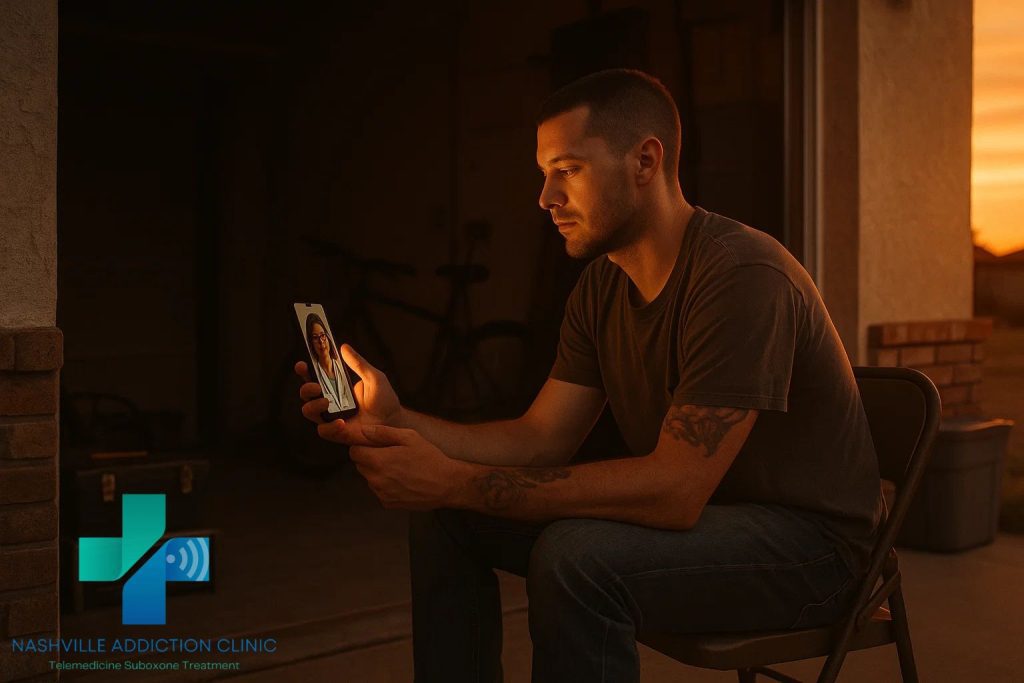
If you’ve been searching for how to recover from kratom addiction, you’re not alone. Thousands of Tennesseans—from Nashville to Memphis, Knoxville to Murfreesboro—struggle daily with the effects of kratom, opioids, and other substances. Many feel trapped, fearing painful withdrawal, stigma, or the endless cycle of chasing pills. The good news? Recovery is possible, and Nashville Addiction Clinic is here to help.
Why Kratom Addiction is Serious
Kratom, while marketed as “natural,” can cause dependence, withdrawal, and dangerous health risks. The FDA warns that kratom carries risks of addiction and even death when misused. According to the DEA, kratom is not approved for medical use in the U.S., and misuse can lead to opioid-like withdrawal symptoms.
Left untreated, kratom addiction can spiral into opioid use, overdose, or long-term health complications. But recovery doesn’t have to mean suffering.
Start Kratom Addiction Treatment Today—Anywhere in Tennessee
- Start Treatment with TennCare Medicaid
- Start Treatment with insurance
- Start Treatment (Self-Pay)
- Quit Kratom Safely Today
- Returning patient? Restart your treatment
- Apply for Low-Cost Treatment
- View all Medicaid and commercial insurance plans we accept
- Have your Suboxone medications shipped to your door
- We accept all major health insurance, such as BCBS, Cigna, Ambetter, and United Healthcare, as well as all TennCare Medicaid insurance: Amerigroup Community Care, BlueCare, United Healthcare Community Plan, and Wellpoint Community Care.
- Same-day appointments and Suboxone prescriptions are often available when fully-registered before 10:00 am Central Time. (based on availability)
Not sure if your insurance is accepted? Click here to verify your insurance.
Experience a safe transition from hydrocodone, oxycodone, OxyContin, heroin, fentanyl, methadone, morphine, Kratom, 7-OH (7-Hydroxy-opioids), Norcos, Percocet, Roxicodone, Vicodin, Tianeptine, Tramadol, Opana, codeine, oxymorphone, and other opioids.
If you would like to speak to someone about our telemedicine Suboxone program, please call or text us at (615) 927-7802. You can also message us securely on the Spruce Health mobile app.
How to Recover from Kratom Addiction with Suboxone
At Nashville Addiction Clinic, we use TeleMAT—our pioneering telemedicine model for medication-assisted treatment (MAT). This approach helps patients recover without leaving home.
Here’s how it works:
- Same-Day Suboxone Prescription – At your first appointment, you’ll receive a prescription sent to your local pharmacy or delivered overnight.
- Painless Transition – Suboxone virtually eliminates opioid and kratom withdrawal symptoms, helping you stabilize quickly.
- Ongoing Support – Our master’s-level counselors and recovery-minded clinicians provide compassionate, non-judgmental care.
- Convenient Access – No need to drive to a clinic. All appointments are done virtually on your phone or computer.
We’ve treated over 1,000 Tennesseans in the past six years, earning more than 250 five-star Google reviews and accreditation from The Joint Commission.
Why Choose Nashville Addiction Clinic?
We’re not just another clinic—we’re the first in Tennessee to receive a virtual medical license for addiction treatment. That means you’ll never need to step foot inside a clinic.
What makes us different?
Nashville Addiction Clinic and Recovery Care of Columbia were awarded Tennessee’s first virtual OBOT licenses in 2024. But that’s not all:
- ✅ Accredited by The Joint Commission
- ✅ Our clinic owners are in long-term recovery
- ✅ Over 280 Google Reviews (from real patients)
- ✅ We’re proudly the first telemedicine addiction clinic in Tennessee, with a virtual medical license for treating opioid dependence
- ✅ Same-day Suboxone prescriptions
- ✅ Statewide award winner of the 2025 Best of Tennessee award for substance abuse treatment
- ✅ Over 1000 patients served in 2025 between clinics
- ✅ We accept most commercial insurance, such as Blue Cross Blue Shield (all U.S. states), Cigna, Ambetter, and United Healthcare, as well as all TennCare Medicaid plans: Amerigroup Community Care, BlueCare, United Healthcare Community Plan, and Wellpoint Community Care.
- ✅ Overnight Suboxone delivery is available in most areas (a delivery fee applies)
- ✅ A compassionate team of caring doctors, nurse practitioners, counselors, and administrators who provide judgement-free care, some who are in recovery.
- ✅ Same-day appointments available every Monday through Friday from 8:00 AM to 5:00 PM (based on availability)
- ✅ Evening appointments every Monday and Wednesday until 9:00 PM
Our helpful staff is happy to answer any questions you may have. Call us or send us a text at (615) 927-7802, or message us securely using the Spruce Health mobile app.
Feeling nervous about starting telemedicine addiction treatment? Learn what to expect during your first Suboxone telemedicine appointment.
Frequently Asked Questions About Recovering from Kratom Addiction
1. How do you recover from kratom addiction?
Recovery typically involves stopping kratom use, managing withdrawal symptoms, and building a plan to prevent relapse. Many people benefit from medical support, structured care, and ongoing guidance.
2. What is the first step in recovering from kratom addiction?
The first step is recognizing the problem and deciding to stop. From there, creating a plan—whether at home or with medical support—can help make the process more manageable.
3. How long does it take to recover from kratom addiction?
Physical withdrawal usually lasts about 5–7 days, but full recovery—including mental and emotional stabilization—can take several weeks or longer depending on the individual.
4. What are the biggest challenges during recovery?
Common challenges include withdrawal symptoms, cravings, low energy, mood changes, and staying motivated. Having support and a structured plan can make a significant difference.
5. Can medications help with kratom addiction recovery?
Yes. In moderate to severe cases, medications like Suboxone can help reduce withdrawal symptoms and cravings, making recovery more manageable.
6. Can you recover from kratom addiction at home?
Some people can recover at home with rest, hydration, and support. However, those with heavier use often benefit from medical supervision or structured treatment.
7. How can you prevent relapse during recovery?
Relapse prevention includes avoiding triggers, building healthy routines, staying connected to support systems, and continuing treatment if needed.
8. What role does support play in recovery?
Support is critical. Whether from healthcare providers, family, or recovery communities, having guidance and accountability increases the chances of long-term success.
9. When should you seek professional help for recovery?
You should seek help if you’ve tried to quit unsuccessfully, experience significant withdrawal symptoms, or feel unable to stop on your own.
Steps to Start Recovery Today
- Choose your insurance option:
- Register online: Quick, secure, and confidential.
- Meet your provider virtually: Friendly, supportive, and experienced.
- Get your prescription: Pick up locally or receive overnight delivery.
- Begin counseling: Build long-term recovery with our compassionate staff.
Call Us Today
You don’t need to face kratom addiction alone. Whether you’re in Nashville, Memphis, or a rural Tennessee community, help is just a call or text away. Call (615) 927-7802 today or message us securely through the Spruce Health mobile app.
Related Articles
- How Long Does Kratom Withdrawal Last? Tennessee’s Virtual Recovery Solution
- Kratom Dependence: A Growing Risk in Tennessee
- Kratom Withdrawal: Safe, Virtual Recovery Options in Tennessee
- Where to Get Suboxone in Tennessee: A Complete Guide
External Resources
- DEA.gov – Opioid addiction-related articles
- National Institute on Drug Abuse
- Substance Abuse and Mental Health Services Administration (SAMHSA)
- Centers for Disease Control and Prevention | CDC.gov
- National Center on Substance Abuse and Child Welfare
- Locate a Peer Recovery Support Specialist
- Tennessee Department of Health Drug Overdose Dashboard
Recent Posts
- Online Fentanyl Addiction Treatment for Tennessee Residents
- UnitedHealthcare Medicare Advantage Accepted at Nashville Addiction Clinic
- She Took Kratom for One Week — and Ended Up on Life Support: What Her Story Means for Tennessee
- Symptoms of Kratom Withdrawal: Safe, Virtual Recovery in Tennessee
- Help for Kratom Addiction: Virtual Treatment That Works in Tennessee
Recent Comments